
Animals have long held a place of honor in human life, shaping cultures, supporting livelihoods, and enriching emotional well-being. Their influence extends far beyond simple companionship—reaching into agriculture, transportation, therapy, conservation, and even the arts. In this discussion, we explore how animals have become integral to our cultural identity, the significance of the human-animal bond, and the lasting impact of pet ownership on communities around the world.
Key Insights on Pets in Culture
- Animals contribute in diverse ways, from providing labor and resources to offering emotional support and companionship.
- The cultural value of Pets in Culture encompasses tradition, social status, and cross-cultural symbolism, transcending the idea of pets in culture as “just animals.”
- Rising pet ownership and the growth of pet-friendly spaces underscore the increasing role of animals in modern life.
- Literature, art, and media frequently reflect the deep emotional and cultural imprint of pets in culture.
- The human-animal relationship has measurable benefits for mental health, social connection, and overall well-being.
Cultural Importance of Pet-Keeping
Across history, keeping animals as companions has carried deep symbolic and practical significance. In many ancient and traditional societies, animals were not only sources of food or labor but also companions, protectors, and status symbols. Anthropological evidence shows that even hunting and gathering communities captured and raised wild animals for non-utilitarian reasons—demonstrating that affection and connection have always been part of the human-animal dynamic.
Pets in Culture and Social Status
In numerous cultures, owning certain animals—especially rare or exotic species—was a visible sign of wealth and influence. Nobility and the upper classes often showcased their resources through well-bred horses, finely groomed dogs, or birds imported from distant lands. This association between pet ownership and affluence reinforced social hierarchies, turning animals into living emblems of prestige.
Challenging Misconceptions
Although some still regard Pets in Culture as unnecessary luxuries, their impact goes far beyond indulgence. Pets can strengthen community bonds, improve emotional health, and even play roles in survival and productivity. Recognizing these contributions shifts the narrative from pets as “optional” to pets in culture as valuable members of society, both culturally and practically.
Pets in Culture in Agriculture and Food Production
One of the most fundamental roles Pets in Culture play in our society is in agriculture and food production. Domesticated animals, such as cattle, sheep, and poultry, provide essential resources like meat, milk, and eggs that are integral to our food supply. These Pets in Culture in agriculture not only sustain us with vital nutrients but also assist in farming by plowing fields and carrying heavy loads, contributing to global food security and economic stability.
Beyond their direct contributions to food production, Pets in Culture and food production are intertwined in Animals in Agriculture and Food Systems
One of the oldest and most essential roles of animals is their contribution to food production and farming. Domesticated species have long provided meat, milk, eggs, and other vital resources while also assisting in labor-intensive agricultural work. Horses, oxen, and donkeys have historically been crucial in plowing fields and transporting goods, while bees play a critical role in pollination and honey production.
| Animal | Primary Contributions |
|---|---|
| Cattle | Meat, milk, leather |
| Sheep | Meat, wool, milk |
| Poultry (chickens, ducks, turkeys) | Eggs, meat |
| Horses, donkeys, oxen | Plowing, transportation |
| Bees | Pollination, honey |
These contributions are not merely historical; in many parts of the world, they remain the backbone of food security and rural economies. As global populations grow and sustainability becomes a pressing concern, the enduring value of animals in agriculture stands as a reminder of our interdependence with the animal world.
Pets in Culture as a Means of Transportation
For much of human history, animals were not merely companions but vital partners in mobility. Before the rise of mechanized vehicles, domesticated species such as horses, camels, elephants, and donkeys formed the backbone of transportation networks—enabling trade, exploration, communication, and daily life to flourish across continents.
Historical Significance in Travel and Trade
The domestication of animals transformed human movement. In ancient civilizations, the horse stood out for its speed, stamina, and adaptability, allowing merchants, messengers, and explorers to traverse great distances with unprecedented efficiency. In the arid expanses of the Middle East and North Africa, camels earned the title “ships of the desert,” carrying heavy loads and enduring journeys that would be impossible for most other creatures.
In South and Southeast Asia, elephants symbolized both power and prestige, serving as transport for kings, nobles, and military expeditions. Meanwhile, donkeys and mules—less glamorous but equally essential—provided reliable transport across steep mountains and rugged trails, becoming indispensable in Europe, the Americas, and Africa.
Modern Use in Rugged Terrains
While the advent of automobiles and other modern modes of transportation has reduced the reliance on animals for everyday travel, they still hold an important place in traversing rugged and remote areas. In the present day, pack animals like horses, mules, and llamas are frequently utilized in mountainous regions, national parks, and other natural settings where traditional vehicles cannot easily navigate.
Present-Day Roles in Remote Landscapes
The spread of modern transportation has lessened our reliance on animals, yet in certain terrains, their value remains unmatched. Horses, mules, yaks, and llamas still carry supplies and travelers through wilderness regions, high mountain passes, and remote villages inaccessible to vehicles. In many national parks and ecotourism destinations, animal-assisted travel offers an authentic, low-impact way to explore nature.
Cultural and Symbolic Importance
Beyond practicality, animals used for transport have left a lasting imprint on human culture. They are woven into folklore, literature, and ceremonial traditions, representing endurance, loyalty, and partnership. Even today, riding a horse through open plains or trekking with pack animals in the Andes connects us to centuries of shared history—a reminder that the story of human progress is inseparable from the animals that carried us forward.

The Cultural Significance of Pets in Culture as Companions
Across the globe, Pets in Culture—whether they are loyal dogs, graceful cats, or even rare and exotic species—occupy a treasured place in human lives. These animals are far more than just living beings in our homes; they are sources of affection, comfort, and emotional stability. Their presence can fill a quiet room with warmth, turn a house into a home, and give their caretakers a deep sense of connection and purpose.
Emotional Connection and Psychological Benefits
The companionship of Pets in Culture offers remarkable benefits for emotional and mental well-being. Countless studies have shown that living with a beloved animal can ease stress, reduce anxiety, and help combat depression. Simple acts—like stroking a cat’s fur or walking a dog—can stimulate the release of oxytocin, serotonin, and dopamine, hormones associated with happiness and relaxation. For many, pets in culture serve as a constant, nonjudgmental presence, capable of lifting moods and offering comfort during life’s most challenging moments.
Pets in Culture as Integral Members of the Family
In numerous cultures, Pets in Culture are embraced as full-fledged family members. They are part of birthdays, holiday gatherings, and even weddings. They receive gifts, wear festive attire, and, when they pass, are remembered with the same heartfelt grief as any loved one. This deep integration into family life reflects the profound emotional significance of Pets in Culture: they are companions, confidants, and silent witnesses to the everyday stories of our lives. By acknowledging Pets in Culture as family, we celebrate their enduring role in providing joy, companionship, and a sense of belonging.
Therapeutic Roles of Pets in Culture
Across centuries and cultures, animals have been recognized not only as companions but also as healers in their own right. Today, their therapeutic value is widely acknowledged in both medical and psychological fields, with structured programs harnessing the natural comfort, trust, and calm they inspire. From hospital wards to rehabilitation centers, Pets in Culture help bridge the gap between human vulnerability and emotional recovery.
Animal-Assisted Therapy: A Partnership in Healing
Animal-assisted therapy—often referred to as pet therapy—is a structured approach that incorporates specially trained animals into treatment plans. Dogs, cats, horses, rabbits, and even birds have been successfully integrated into programs supporting individuals with physical, emotional, or cognitive challenges. These animals work hand-in-hand—paw-in-hand, so to speak—with healthcare providers, therapists, and counselors. Whether a therapy dog offers reassurance to a child undergoing chemotherapy, or a horse in equine therapy helps trauma survivors rebuild trust, the human-animal connection serves as a catalyst for profound healing.
The Science and Sensation of Healing
The benefits of interacting with animals are backed by both science and centuries of human experience. Stroking a pet’s fur can slow heart rate, lower blood pressure, and trigger the release of “feel-good” hormones like oxytocin and serotonin. For those struggling with depression, anxiety, or post-traumatic stress disorder, the presence of a calm, attentive animal can ease isolation, stabilize emotions, and provide a grounding sense of safety. Even brief interactions—such as meeting a therapy dog in a public library or during a community event—can leave lasting positive effects.
A Universal Cultural Value
The therapeutic role of Pets in Culture is not confined to one place or time; it is a cross-cultural phenomenon. Ancient civilizations used animals in rituals meant to promote healing, while in modern societies, service animals are an integral part of healthcare and community support. Their ability to offer unconditional presence and empathy transcends language, borders, and belief systems. As research continues to reveal the depth of these benefits, it is likely that animals will become an even more visible and valued part of therapy, community care, and cultural life in the years ahead.

Pets in Culture and Wildlife Conservation
While Pets in Culture are often celebrated for their companionship, emotional support, and cultural symbolism, their influence extends far beyond the walls of our homes. Pets in culture, and the human relationships with them, can play an important role in wildlife conservation and the preservation of our planet’s biodiversity. Through responsible ownership, education, and advocacy, the connection we share with domesticated animals can inspire a deeper commitment to protecting wild species and the delicate ecosystems they inhabit.
Supporting Ecosystem Balance and Biodiversity
In many contexts, domestic animals—particularly working dogs and farm cats—contribute to maintaining natural balance by controlling populations of rodents, pests, and invasive species that can threaten crops or local wildlife. This interaction, when managed responsibly, helps preserve stability in agricultural and rural ecosystems. Beyond their practical contributions, Pets in Culture often serve as living reminders of humanity’s interdependence with the natural world.
Certain exotic pets, when ethically and sustainably acquired, can also act as ambassadors for their wild counterparts. By drawing attention to their species, these animals can help generate public interest, awareness, and even funding for conservation projects. Zoos, wildlife reserves, and sanctuaries frequently collaborate with educational programs that use animal ambassadors to inspire visitors to care about the survival of endangered species.
Promoting Endangered Species Protection
Wildlife conservation efforts depend heavily on public support. When people feel a personal connection to animals—whether through a beloved pet or an encounter with a species in a sanctuary—they are more likely to advocate for protective legislation, support habitat restoration projects, or donate to conservation organizations. Responsible pet owners who prioritize animal welfare and environmental stewardship often become powerful allies in campaigns to protect endangered species.
Educational initiatives that link pet care to broader environmental issues can also foster a new generation of conservation-minded citizens. By highlighting the cultural significance of Pets in Culture and their shared place in the web of life, we can transform everyday relationships with animals into a force for global biodiversity preservation.
| Ecosystem Contribution | Pet Species | Conservation Impact |
|---|---|---|
| Pest Control | Domestic Cats | Helping to maintain balanced rodent populations, protecting crops and native species |
| Pollination | Honeybees | Essential for the reproduction of many plant species, supporting overall biodiversity |
| Habitat Preservation | Exotic Pets (responsibly owned) | Raising awareness and funding for the protection of endangered species and their natural habitats |
Pets in Culture in Education and Scientific Research
Animals have long served as invaluable partners in the pursuit of knowledge, playing a central role in both educational settings and scientific research. Their contributions extend far beyond companionship, helping humanity unlock critical advancements in medicine, psychology, and our overall understanding of life on Earth. By studying and interacting with animals, we deepen our awareness of the natural world, refine our approaches to healthcare, and cultivate greater respect for the species with whom we share the planet.
Advancing Medical Science Through Animal Research
In medical research, animals often serve as essential models for studying human physiology and disease. Laboratory studies involving species such as mice, rats, and zebrafish have led to groundbreaking discoveries in genetics, immunology, and neuroscience. These animal models allow scientists to test new drugs, develop vaccines, and explore innovative treatments in ways that would be impossible—or ethically unacceptable—if attempted directly on humans.
The insights gained from animal-based research have revolutionized modern medicine, leading to life-saving interventions such as insulin therapy, organ transplantation techniques, and advanced cancer treatments. While the practice requires strict ethical oversight to ensure humane treatment, its impact on global health and longevity is undeniable.
Exploring Animal Behavior and Cognitive Science
Beyond medicine, animals are vital to the study of behavior and cognition. Observing how different species learn, communicate, and solve problems gives scientists valuable clues about the evolution of intelligence and social structures—both in animals and humans. Research with Pets in Culture such as dogs and parrots, for example, has revealed remarkable capacities for empathy, memory, and even symbolic understanding.
This growing body of knowledge shapes everything from conservation strategies to educational programs, and it challenges us to rethink our responsibilities toward animals in our care. By examining the minds and behaviors of other species, we not only satisfy scientific curiosity but also foster empathy, respect, and a deeper cultural appreciation for the role of Pets in Culture in human society.
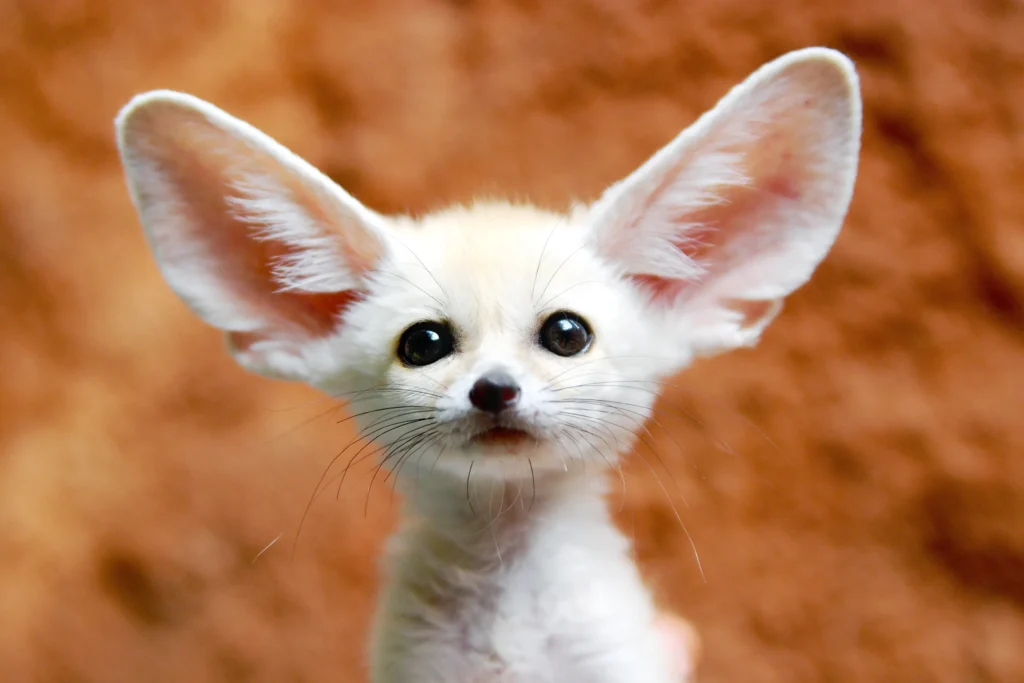
The Entertainment Value of Pets in Culture
Animals have an extraordinary ability to capture human imagination, offering endless opportunities for enjoyment, recreation, and inspiration. Whether encountered in carefully curated environments like zoos and aquariums, through the lens of a wildlife documentary, or in the thrill of a safari, animals connect us to the natural world in ways that both entertain and enlighten. These experiences do more than amuse—they cultivate curiosity, empathy, and respect for the rich diversity of life on Earth.
Zoos, Aquariums, and Wildlife Storytelling
Modern zoos and aquariums serve as windows into the global tapestry of animal life. By showcasing species from far-off jungles, icy oceans, and arid deserts, they offer visitors an up-close look at creatures they might never encounter otherwise. While entertainment is a central draw, these institutions also play a critical role in conservation, breeding programs, and environmental education.
Wildlife documentaries take this connection even further, transporting audiences into the heart of the wilderness. With breathtaking visuals and compelling narratives, they allow viewers to witness the migration of wildebeests, the stealth of snow leopards, or the intricate courtship dances of exotic birds—all from the comfort of home. This form of storytelling ignites a sense of wonder that often inspires conservation-minded action.
Recreational Activities and Immersive Encounters
Beyond passive observation, many people seek direct interaction with animals through recreational activities. Safaris in Africa, whale-watching excursions, horseback riding in open landscapes, falconry, and even snorkeling alongside sea turtles offer experiences that are both thrilling and educational. These activities deepen our appreciation for the interconnectedness of human and animal life, bridging cultural traditions with modern tourism.
In every form—whether as a source of wonder in a public exhibit, a subject of cinematic beauty, or a companion in an outdoor adventure—animals continue to enrich our leisure and cultural heritage. The entertainment they provide is not mere diversion; it is an invitation to engage more fully with the living world and to safeguard its future.
| Entertainment Activity | Cultural Significance | Educational Value |
|---|---|---|
| Zoos and Aquariums | Provides opportunities to observe and appreciate diverse animal species, fostering a connection to nature. | Educates visitors about animal behavior, habitats, and the importance of conservation efforts. |
| Wildlife Documentaries | Brings the natural world into homes, sparking curiosity and wonder about the animal kingdom. | Offers in-depth insights into the lives and behaviors of animals, promoting greater understanding and respect. |
| Recreational Activities | Allows people to immerse themselves in the natural habitats of animals, enhancing the entertainment value and cultural significance of Pets in Culture. | Facilitates a deeper appreciation for the role of animals in various societies and the importance of environmental conservation. |
Pets in Culture as Part of the Workforce
While Pets are often celebrated for the companionship they bring, many animals also contribute directly to the functioning of society. Across industries and cultures, animals have been integrated into professional roles that are essential for public safety, economic stability, and even environmental health. This professional dimension of pets in culture underscores their deep cultural significance and their multifaceted impact on human life.
Service Animals in Law Enforcement and the Military
Few images are as emblematic of loyalty and service as that of a working dog in uniform. In law enforcement and military operations, specially trained dogs carry out critical tasks such as tracking suspects, detecting explosives, finding disaster survivors, and assisting individuals with disabilities. These service animals are not merely tools—they are trusted partners whose skills and instincts save lives. Their dedication highlights the profound bond between humans and animals in high-stakes environments.
Animals in Agriculture and Industry
In the agricultural world, animals are indispensable. Honeybees, for instance, are the unsung heroes of food production, pollinating crops and enabling the growth of countless fruits and vegetables. Livestock—cattle, sheep, poultry—not only supply meat, milk, and eggs but also contribute to sustainable farming practices in many communities. While these animals may not be “pets” in the traditional sense, their presence in human culture is deeply tied to survival, prosperity, and tradition.
| Workforce Role | Examples | Significance |
|---|---|---|
| Service Animals | – Police and military dogs for search and rescue, explosive detection, and assisting individuals with disabilities – Guide dogs for the visually impaired | Provide essential support and assistance in critical public safety and security operations |
| Agricultural Animals | – Honeybees for crop pollination – Livestock (cattle, sheep, poultry) for meat, milk, and egg production | Contribute to global food security, economic stability, and sustainable agricultural practices |
Cross-Cultural Perspectives on Pet-Keeping
The way people view and interact with animals varies dramatically from one culture to another. While pet-keeping is nearly universal, the roles and perceptions of animals are shaped by historical, religious, and social influences.
India’s Stray Dog Dilemma – India is home to millions of stray dogs, inspiring a mix of reverence and concern. Some people feed and protect them, seeing them as sacred or spiritually significant, while others worry about public health risks. This coexistence reveals the complexity of animal roles in Indian society.
Islamic Attitudes Towards Dogs – In many Muslim communities, dogs are traditionally considered ritually impure. They are typically kept only for functional purposes such as guarding, herding, or hunting. This does not necessarily imply hostility toward dogs, but rather reflects a cultural framework that shapes how and where they are kept.
Korean and Chinese Traditions – Historically, dogs in these cultures were valued for work and, in some cases, as a source of food. However, urbanization and shifting social values have led to a growing embrace of dogs as cherished companions, even as certain traditional practices persist in rural or older communities.
The Cultural Significance of Pets: A Global Overview
From therapy animals easing human suffering to livestock sustaining global food chains, the contributions of animals to human society are vast. In many cultures, pets are woven into the fabric of family life, providing emotional support, reducing loneliness, and enhancing mental well-being. In others, they serve as vital workers in agriculture, transportation, and conservation efforts.
Their impact is not limited to the personal sphere—they influence economies, shape traditions, and help maintain ecological balance. Honeybees sustain biodiversity, therapy dogs aid rehabilitation, and working animals bridge the gap between human needs and natural resources.
| Region | Pet Ownership Rates | Prominent Pet Types | Cultural Attitudes |
|---|---|---|---|
| United States | 68% of households | Dogs, cats, fish, birds | Pets viewed as family members; strong emphasis on emotional support |
| Europe | High, varies by country | Dogs, cats, birds, small mammals | Companions with growing focus on animal welfare |
| Asia | Increasing | Dogs, cats, fish, birds | Mixed—pets as both companions and working animals, cultural perceptions vary |
| Latin America | Growing | Dogs, cats, birds, small mammals | Seen primarily as companions, with traditions influencing animal roles |
Korean and Chinese Traditions with Dogs
In Korea and China, the cultural attitudes towards dogs have a long and nuanced history. While dogs were once commonly kept as working animals or for consumption, there has been a growing trend in recent decades towards keeping dogs as beloved companion animals, especially in urban areas. However, some traditional beliefs and practices, such as the consumption of dog meat, continue to persist in certain regions, reflecting the complex and evolving nature of the cultural significance of Pets in Culture in these societies.
Looking Ahead
As our understanding of animal intelligence, emotion, and ecological importance deepens, so too does our responsibility toward them. Recognizing the cultural, economic, and emotional significance of pets worldwide is the first step toward a future where humans and animals coexist in a way that is compassionate, sustainable, and mutually beneficial.
The Cultural Significance of Pets: A Global Overview
Across the globe, Pets in Culture have become an integral part of our societies, transcending the boundaries of mere companionship. The cultural significance of Pets in Culture is a testament to their indispensable role in our lives, as they contribute to various aspects of human wellbeing and societal function. From providing emotional support to playing crucial roles in agriculture, transportation, and conservation, the global overview of pet-keeping reveals the multifaceted ways in which these beloved animals enrich our world.
In many cultures, Pets in Culture are cherished as members of the family, offering unconditional love, comfort, and a sense of purpose to their owners. The human-animal bond has been shown to have profound positive impacts on mental health, reducing stress and loneliness, and promoting overall emotional well-being. As therapy Pets in Culture and emotional support animals, our furry companions have become invaluable resources for individuals facing physical, mental, or developmental challenges.
Beyond their roles as companions, pets in culture have also made significant contributions to various industries and sectors. In the realm of agriculture and food production, domesticated animals such as cattle, sheep, and poultry provide essential resources like meat, milk, and eggs, while also assisting in farming through their labor. Similarly, animals have long served as modes of transportation, from the historical use of horses, camels, and elephants to the modern employment of animals in rugged terrains.
The cultural significance of pets extends to their involvement in conservation efforts, as well. Many species play crucial roles in maintaining ecosystem balance and biodiversity, helping to control pest populations and pollinate plants. Efforts to protect endangered species have highlighted the importance of preserving the delicate balance of our natural world, in which animals are integral components.
As we continue to explore the multifaceted roles of pets in our societies, it is clear that these beloved companions hold a profound and enduring global significance. By recognizing and respecting the invaluable contributions of animals, we can ensure their well-being and conservation, ultimately benefiting both present and future generations.
| Region | Pet Ownership Rates | Prominent Pet Types | Cultural Attitudes Towards Pets |
|---|---|---|---|
| United States | 68% of households | Dogs, cats, fish, birds | pets in culture viewed as family members, important for emotional support and companionship |
| Europe | Varies by country, but generally high | Dogs, cats, birds, small mammals | Pets considered important companions, with growing interest in animal welfare |
| Asia | Increasing, but lower than Western countries | Dogs, cats, fish, birds | Cultural perceptions vary, with pets viewed as both companions and working animals |
| Latin America | Growing, but lower than North America and Europe | Dogs, cats, birds, small mammals | Pets seen as companions, with some cultural traditions involving animals |
The global overview of pet-keeping highlights the diverse and evolving perspectives on the cultural significance of pets in culture worldwide. As we continue to recognize and appreciate the invaluable roles animals play in our societies, we can work towards fostering a more pet-friendly and sustainable future for all.
Conclusion
Our journey through the many dimensions of pet culture reveals that animals are far more than companions—they are partners, protectors, healers, and sustainers of life. Across continents and centuries, they have worked alongside us in fields and forests, stood by us in times of crisis, and brought comfort in moments of solitude.
From the quiet loyalty of a guide dog leading its handler through a bustling city, to the delicate work of bees pollinating crops that feed millions, animals contribute in ways that are both visible and unseen. Their presence enriches not only our daily lives but also our cultural heritage, economies, and ecosystems.
As we look ahead, the responsibility rests with us to nurture this ancient bond. That means practicing compassionate pet care, safeguarding wildlife, and creating communities where animals can thrive alongside humans. In doing so, we not only protect them—we preserve something deeply human: our capacity for empathy, cooperation, and connection with the natural world.
The story of pets in culture is, ultimately, the story of us. By honoring their roles today, we shape a future where humans and animals continue to grow, work, and flourish together.
FAQ: Understanding the Roles and Cultural Significance of Animals
1. What are the key roles animals play in human society?
Animals fulfill diverse and essential roles, ranging from agriculture and transportation to companionship, therapy, education, and conservation. They provide food products like meat, milk, and eggs, assist in crop production and pest control, and have historically served as vital modes of transport for trade, exploration, and everyday travel.
2. How do pets enhance emotional well-being and mental health?
pets in culture offer unconditional love, loyalty, and companionship, helping to reduce stress, anxiety, and feelings of loneliness. Whether it’s the calming presence of a cat or the playful energy of a dog, animals can provide a sense of comfort and stability, often serving as a vital source of emotional support.
3. What role do animals play in therapy?
Animal-assisted therapy uses the unique bond between humans and animals to promote healing. From therapy dogs visiting hospitals to equine-assisted programs for individuals recovering from trauma, these interactions can improve physical, emotional, and psychological health in profound ways.
4. How do animals contribute to ecosystem health and conservation?
Many species are critical to maintaining ecological balance—bees pollinate crops, predators control pest populations, and countless others help preserve biodiversity. Protecting these animals through conservation efforts safeguards both their survival and the stability of the planet’s ecosystems.
5. What is the significance of animals in education and scientific research?
Animals are vital for advancing science and education. They are used in medical research to develop treatments for diseases and in behavioral studies to better understand cognition and social dynamics. These contributions have helped shape modern medicine and deepen our knowledge of the natural world.
6. How do animals provide entertainment and recreation?
From the immersive experiences of zoos and aquariums to the storytelling of wildlife documentaries and the adventure of safaris, animals captivate and inspire us. These encounters often combine entertainment with education, fostering respect and curiosity for the animal kingdom.
7. In what ways are animals part of the workforce?
Animals play specialized roles in various fields. Police and military dogs assist with search and rescue, security, and detection work; guide dogs support visually impaired individuals; and honeybees play a vital part in agriculture by pollinating crops essential for food production.
8. How do cultural perspectives on pets in culture differ around the world?
Cultural attitudes toward pets vary widely. In some Islamic traditions, dogs are considered ‘ritually impure’ and are kept primarily for purposes like hunting or guarding, often outside the home. In contrast, many Western cultures view pets in culture as family members and integral companions. These differences reflect diverse histories, beliefs, and relationships with animals across societies.