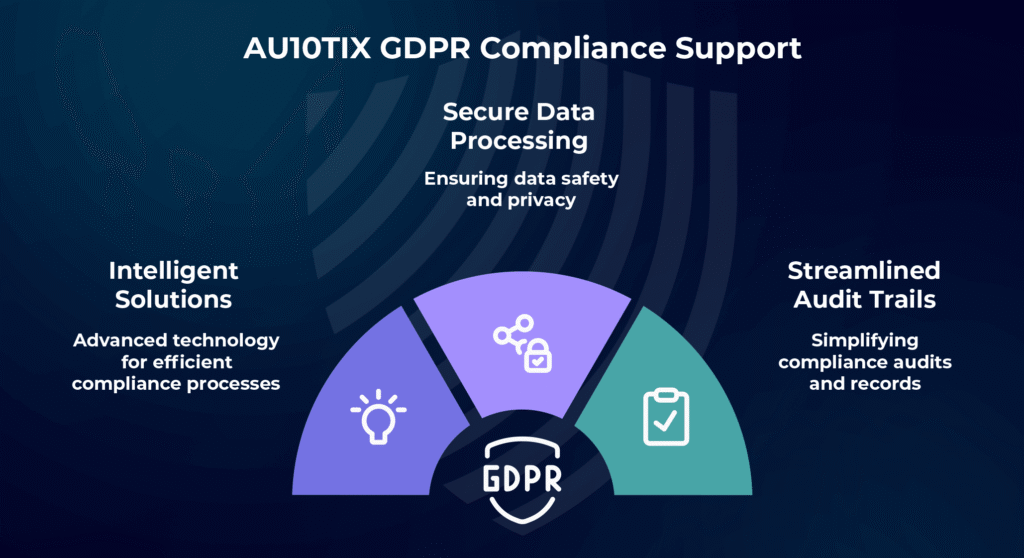
The General Data Protection Regulation (GDPR) serves as a cornerstone in safeguarding individuals’ personal data and privacy rights. Introduced by the European Union (EU), GDPR Compliance Tech establishes a unified set of rules for data protection across member states and beyond. It became enforceable on May 25, 2018, replacing the earlier Data Protection Directive of 1995.
For technology companies, GDPR Compliance Tech carries significant implications for how personal data is collected, processed, and secured. In today’s technology-driven world, ensuring robust data privacy practices is not just a legal obligation but also critical for maintaining user trust. Failing to comply with GDPR can expose companies to legal penalties and damage their reputation among users.
Key Insights on GDPR Compliance Technology
- GDPR Compliance Tech provides a standardized framework for data protection across the European Union.
- Tech companies must comply with GDPR Compliance Tech to protect personal information and preserve user confidence.
- Violating GDPR Compliance Tech regulations can result in significant legal consequences and loss of trust in digital products and services.
- Understanding GDPR’s requirements is essential for technology firms operating in global markets.
- Proactive data protection strategies and ongoing compliance measures are critical for navigating an evolving regulatory environment.
The Role of GDPR Compliance Tech in Technology
GDPR Compliance Tech functions as a comprehensive framework that outlines clear obligations for managing personal data. It grants individuals expanded rights over their information, including rights to access, correct, and delete data. Importantly, GDPR applies to any company processing the personal data of EU residents, regardless of where the company is located, making it globally relevant for tech enterprises.
Industry Applicability of GDPR Compliance
GDPR Compliance Tech affects a wide range of technology sectors, from social networking platforms and cloud service providers to mobile applications and software developers. Any organization handling the personal data of EU citizens must implement GDPR-aligned policies and processes. Awareness of GDPR’s scope is essential for tech companies to manage compliance effectively, avoid penalties, and uphold strong data privacy standards in the digital landscape.
Core Principles of GDPR Compliance Tech
The effectiveness of GDPR Compliance Tech is rooted in several fundamental principles that guide how organizations manage and protect personal data. These principles are designed to ensure that personal information is handled responsibly, ethically, and transparently, safeguarding the privacy and rights of individuals.
Lawful, Fair, and Transparent Processing
Under GDPR Compliance Tech, organizations are required to process personal data in a lawful, fair, and transparent manner. This principle emphasizes the necessity of obtaining data legally, ensuring that individuals are treated fairly, and providing clear communication about how their information will be used. For technology companies, this means being open with users about data practices, securing informed consent, and fostering trust through transparency.
Purpose Specification and Limitation
The purpose limitation principle dictates that personal data should only be collected for clearly defined, legitimate purposes. Any additional processing of the data must remain consistent with these original objectives. Tech companies must outline the specific reasons for data collection upfront and ensure that subsequent use does not deviate from those intended purposes.
Minimization of Data Collection
Data minimization encourages organizations to gather only the personal information necessary for achieving their stated goals. By avoiding excessive or irrelevant data collection, companies can reduce the risk of privacy infringements and maintain compliance. Technology providers should carefully assess their data needs and implement processes that limit the collection, storage, and use of personal data to what is strictly required.

Navigating Tech Regulations: Classifying and Managing Personal Data
In today’s rapidly evolving digital landscape, tech companies must navigate a complex web of data protection laws and cybersecurity requirements. A critical component of this effort is accurately identifying and categorizing the personal data they handle. From basic identifiers like names and addresses to sensitive financial and biometric information, personal data spans a broad spectrum and falls under various privacy, intellectual property, and digital governance regulations.
Developing a thorough understanding of applicable data privacy laws and regulatory frameworks is essential for tech organizations to ensure effective compliance. By systematically categorizing the personal data they collect, process, and store, companies can adhere to GDPR Compliance Tech, emerging tech policies, and other relevant standards while mitigating compliance risks.
This proactive approach enables tech firms to implement strong data governance structures, safeguard intellectual property, and establish a culture of ethical digital practices. Properly classifying personal data also supports responsible cross-border data management, reinforces accountability in AI and emerging technology deployment, and positions companies as leaders in regulatory compliance and innovation-friendly policies.
| Type of Personal Data | Examples | Applicable Regulations |
|---|---|---|
| Identifiable Information | Names, email addresses, home addresses | GDPR, data protection laws |
| Financial Information | Bank account numbers, credit card details | GDPR, financial regulations, consumer protection laws |
| Behavioral Data | Web browsing history, search activity | GDPR, privacy policies, digital governance |
| Sensitive Data | Biometric data, health records | GDPR, data privacy laws, technology licensing |
| Digital Identifiers | IP addresses, device identifiers | GDPR, software liability, emerging tech compliance |
By carefully identifying and categorizing the personal data within their systems, tech companies can build a foundation for GDPR Compliance Tech, incorporate data protection by design, and conduct thorough data protection impact assessments. This strategic data management approach not only reduces legal and reputational risks but also enhances trust among users and stakeholders, strengthening the company’s position as a responsible and innovative tech enterprise.
Understanding the Roles of Data Controllers and Data Processors
The GDPR Compliance Tech establishes a distinct separation between data controllers and data processors, assigning specific obligations to each role. A data controller is responsible for determining the purposes and methods of processing personal data, while a data processor handles the actual processing on behalf of the controller. For tech companies managing data protection regulations and cybersecurity obligations, clearly defining these roles is essential for accountability and GDPR Compliance Tech adherence.
The data controller carries the ultimate responsibility for ensuring that personal data is processed lawfully, fairly, and transparently. This involves identifying the legal basis for data collection, specifying the purposes for which the data will be used, and implementing adequate security measures to protect it. Conversely, the data processor executes the data processing tasks as instructed by the controller. Tech organizations must establish precise governance structures and designate roles clearly to align with the GDPR Compliance Tech controller-processor framework.
A thorough understanding of these distinctions is critical for tech enterprises navigating intellectual property law, privacy policies, and emerging technology regulations. Defining the roles of controllers and processors allows companies to craft strong technology licensing agreements, manage software liability, and promote responsible practices in AI and other emerging technologies.
| Data Controller | Data Processor |
|---|---|
| Determines the purposes and methods of data processing | Processes data on behalf of the controller |
| Bears primary responsibility for lawful and transparent processing | Performs data operations according to the controller’s instructions |
| Establishes the legal basis for data collection and usage | Ensures proper security measures are in place for the data |
| Oversees compliance with data protection regulations and intellectual property requirements | Supports governance frameworks for emerging technologies and digital ethics |
By defining and enforcing the roles and responsibilities of data controllers and processors, tech companies can enhance compliance for cross-border data transfers, navigate regulatory sandboxes more efficiently, and participate in responsible tech policy development. This structured approach reinforces GDPR Compliance Tech and fosters the ethical, long-term management of emerging technologies and AI systems.

Tracking the Journey of Personal Data
For tech companies operating in today’s complex regulatory environment, understanding how personal data moves through their systems is a critical step toward GDPR Compliance Tech. Mapping the flow of data—from its initial collection, through processing and storage, to its eventual deletion—helps organizations identify potential risks and implement measures to secure and manage personal information responsibly.
Developing a detailed data flow map requires documenting every point at which personal data interacts with the company’s systems, including during digital governance procedures and technology licensing activities. This process strengthens compliance with data privacy regulations while also offering valuable insights into software liability concerns and emerging technology policies.
By systematically tracking data movement, tech organizations can recognize intersections where intellectual property, antitrust, and privacy regulations may apply. This proactive approach to data governance supports adherence to cross-border data flow requirements and promotes responsible practices in AI development and digital ethics. Ultimately, maintaining a clear and comprehensive understanding of data flows reinforces a company’s credibility as a trusted steward of personal information and a leader in GDPR Compliance Tech-compliant operations.
The insights gleaned from this exercise empower tech companies to implement robust tech policy advocacy and regulatory sandboxes, ensuring that their data processing practices align with the ever-evolving emerging technologies governance landscape. By proactively mapping the flow of personal data, tech organizations can navigate the complex regulatory terrain with confidence, solidifying their position as responsible stewards of intellectual property protection and data privacy.
Integrating Data Protection by Design
Central to GDPR Compliance Tech is the principle of “data protection by design,” which encourages tech companies to embed privacy and security safeguards into products, services, and processes from the outset. Rather than addressing data protection as an afterthought, this proactive approach ensures that privacy considerations are an integral part of system architecture and operational workflows. By adopting this mindset, organizations can strengthen their compliance with data protection regulations, enhance digital governance, and cultivate a culture of cybersecurity awareness.
Implementing data protection by design requires a thorough review of a company’s intellectual property obligations, antitrust considerations, and privacy policies. Tech firms may incorporate strong encryption methods, develop technology licensing agreements that emphasize data privacy and software liability, and establish policies governing emerging technologies to ensure responsible data handling. This holistic approach ensures that privacy and security are not only maintained but also actively reinforced throughout the organization.
Furthermore, embracing a digital ethics framework and prioritizing secure cross-border data flows signals a company’s commitment to responsible AI development and tech policy advocacy. Such measures reduce the risk of non-compliance, strengthen user trust, and reinforce the company’s reputation as a responsible steward of personal information.
Practical applications of data protection by design can include the use of regulatory sandboxes to test new technologies, ongoing evaluation of privacy measures to adapt to emerging threats, and the implementation of robust data privacy policies that remain flexible in response to evolving regulations. By weaving data protection into the core of their operations, tech companies can ensure resilience, compliance, and ethical stewardship in a rapidly changing digital landscape.

Conducting Data Protection Impact Assessments (DPIAs)
For tech companies navigating the intricate regulatory environment of data protection and cybersecurity, conducting Data Protection Impact Assessments (DPIAs) is an essential step. DPIAs provide a structured method for identifying and mitigating privacy risks associated with data processing activities that could significantly impact the rights and freedoms of individuals.
Under GDPR Compliance Tech requirements, DPIAs are mandatory for high-risk processing operations, ensuring that all potential privacy concerns are systematically addressed. By performing thorough DPIAs, tech companies can align their practices with GDPR principles, safeguard personal data, and manage compliance risks related to intellectual property rights, antitrust considerations, and privacy policies.
DPIAs also serve as a strategic tool for shaping robust digital governance frameworks. Insights gained through these assessments help inform policies on data privacy, technology licensing, and software liability, while supporting the development of governance strategies for emerging technologies. This proactive approach allows companies to manage cross-border data flows responsibly, engage in tech policy advocacy, and participate in regulatory sandboxes for responsible AI implementation.
The Role of Data Protection Officers (DPOs)
GDPR Compliance Tech establishes the role of Data Protection Officers (DPOs) to oversee an organization’s data protection strategy and ensure regulatory compliance. While not every tech company is required to appoint a DPO, having one can provide strategic advantages. DPOs act as liaisons between the organization, data subjects, and supervisory authorities, guiding compliance efforts and facilitating the company’s navigation of data protection regulations, digital governance, and emerging technology policies.
Obtaining Clear and Transparent Consent
Securing informed and unambiguous consent is a cornerstone of GDPR Compliance Tech. Tech companies must prioritize transparent communication, ensuring that users understand how their data will be collected, processed, and safeguarded. By embedding consent practices into their privacy policies and digital governance frameworks, companies can strengthen trust while reinforcing adherence to GDPR, intellectual property rights, and software liability requirements.
Ongoing Consent Management
Consent is not a one-time obligation—it requires continuous management. Tech companies must maintain detailed records of when and how consent was obtained, enabling them to demonstrate compliance with data privacy regulations. Effective consent management supports intellectual property protection, ensures compliance with antitrust and emerging tech laws, and allows organizations to adapt to evolving regulatory landscapes with confidence.
Conducting a Thorough Privacy Audit
For tech companies striving to meet GDPR Compliance Tech requirements, conducting a comprehensive privacy audit is a critical step in ensuring full compliance. This audit involves a detailed review of how personal data is collected, processed, stored, and shared across the organization, providing a clear picture of potential risks and compliance gaps.
Mapping the Flow of Personal Data
At the core of a privacy audit is the creation of a data map. Tech companies must identify all sources of personal information—including customer, employee, and third-party data—and document how this data is used, transferred, and stored within their systems. By understanding the entire data lifecycle, organizations can detect vulnerabilities, enforce proper data handling practices, and ensure that all operations align with GDPR’s principles of transparency, lawfulness, and purpose limitation.
Documenting Audit Findings for Regulatory Compliance
Equally important is thorough documentation of the privacy audit. Companies should maintain detailed records of data collection processes, processing activities, security measures, and risk assessments. This structured audit trail not only demonstrates proactive compliance to regulatory authorities but also strengthens cybersecurity practices and prepares organizations to respond efficiently to inquiries, inspections, or data protection audits.
By systematically mapping and documenting data handling processes, tech companies can establish a solid foundation for GDPR Compliance Tech, reinforce their digital governance frameworks, and build trust with users through responsible data management.
Defining Roles and Responsibilities for GDPR Compliance
Ensuring GDPR Compliance Tech is a collective effort that requires clear accountability across a tech organization. While external consultants and third-party service providers can provide support, the ultimate responsibility rests with the tech company acting as the data controller. Establishing well-defined roles and responsibilities, including appointing a dedicated Data Protection Officer (DPO), is essential for maintaining ongoing adherence to GDPR Compliance Tech requirements.
A key element of this process is outlining the specific duties of all stakeholders within the organization. The data controller leads the compliance strategy, ensuring that all data handling and processing activities follow GDPR Compliance Tech principles such as lawfulness, fairness, and transparency. This includes embedding data protection by design, conducting Data Protection Impact Assessments (DPIAs), and identifying potential risks to mitigate privacy breaches effectively.
Data processors, including cloud providers, software vendors, and other third-party partners, must also be accountable for their role in processing personal data on behalf of the organization. Clear contractual agreements, along with consistent monitoring and audits, are critical to ensure these partners comply with GDPR Compliance Tech obligations.
Appointing a Data Protection Officer (DPO) can further strengthen GDPR Compliance Tech. The DPO acts as the liaison between the organization, data subjects, and regulatory authorities, providing guidance, oversight, and ongoing monitoring to ensure that the company’s data processing practices meet regulatory standards.
By clearly defining responsibilities at all levels—from executive leadership to operational staff—tech companies can cultivate a culture of privacy and security. Coupled with regular training, transparent communication, and collaborative accountability, this approach empowers employees to actively participate in safeguarding personal data and sustaining comprehensive GDPR Compliance Tech.
Conclusion GDPR Compliance Tech
In summary, achieving GDPR Compliance Tech is an essential priority for tech companies in today’s digitally-driven environment. By recognizing the importance of GDPR, adhering to its core principles, and establishing a comprehensive compliance framework, organizations can protect the personal data of their users while maintaining the trust that underpins their business success.
Focusing on critical compliance activities—such as mapping data flows, conducting Data Protection Impact Assessments (DPIAs), and appointing dedicated data protection officers—allows tech companies to demonstrate accountability and responsibility in managing personal information. These measures not only strengthen regulatory compliance but also enhance a company’s reputation and competitive positioning in an increasingly regulated digital marketplace.
As technology continues to advance, the challenges surrounding data protection, cybersecurity, intellectual property, and emerging tech governance will intensify. By proactively implementing GDPR-aligned strategies and fostering a culture of privacy and security, tech companies can safeguard user data, reinforce trust, and contribute to a safer, more reliable digital ecosystem for all stakeholders.
Table of Contents
FAQ
Why is GDPR critical for tech organizations today?
GDPR provides a robust legal framework to protect individuals’ personal data, ensuring that tech companies process, store, and manage information responsibly. Compliance helps organizations build trust with users and avoid significant legal and financial penalties.
Which tech sectors are most affected by GDPR?
Any tech entity handling personal data of EU residents falls under GDPR, including mobile apps, cloud services, social media platforms, SaaS providers, and e-commerce platforms. Compliance applies regardless of whether the company is based inside or outside the EU.
What are the guiding principles of GDPR for tech companies?
Key principles include: 1) Accountability and transparency in data processing, 2) Collecting data only for specific and legitimate purposes, 3) Limiting data collection to what is strictly necessary, 4) Accuracy and reliability of stored data, and 5) Ensuring data security throughout its lifecycle.
How should tech companies categorize the personal data they process?
Tech organizations need to classify personal data into categories such as identifiable information, financial data, location data, online activity, biometric information, and device identifiers. Proper categorization allows organizations to implement tailored security measures and compliance controls.
What responsibilities do data controllers and processors have under GDPR?
The data controller decides why and how personal data is processed and ensures that GDPR requirements are met. The data processor handles data on behalf of the controller and must follow instructions and maintain appropriate security measures. Both roles must have clearly defined responsibilities and documented agreements.
Why is mapping data flows important for GDPR compliance?
By mapping the journey of personal data—from collection to deletion—tech companies can detect risks, track where sensitive information is stored, and ensure all processing activities comply with GDPR principles. This step also supports incident response and audit preparedness.
How does “privacy by design” benefit tech companies?
Privacy by design encourages companies to embed data protection measures at the start of product development or process planning. This approach reduces risk exposure, strengthens user trust, and ensures compliance is a core part of the company’s operations rather than a reactive measure.
When is a Data Protection Impact Assessment (DPIA) required?
Tech companies must perform a DPIA whenever a processing activity is likely to result in high privacy risks, such as large-scale data collection, profiling, or monitoring of sensitive information. DPIAs help identify risks and implement safeguards proactively.
What functions does a Data Protection Officer (DPO) perform?
A DPO oversees GDPR compliance strategy, monitors internal processes, provides guidance to teams, and serves as a point of contact for both regulatory authorities and individuals regarding data protection concerns.
How can tech companies manage user consent effectively?
Clear, informed, and unambiguous consent must be obtained from users before processing their data. Tech companies should provide easy-to-understand consent forms, explain how data will be used, and maintain records of when and how consent was given.
Why conduct a privacy audit, and what does it involve?
A privacy audit helps tech companies identify what personal data they collect, where it is stored, and how it is used. It also ensures that all policies, procedures, and security measures align with GDPR requirements, providing documented evidence of compliance. Organizations should establish clear responsibilities across teams, designate a compliance lead or DPO, and ensure that third-party processors are contractually bound to GDPR standards. Regular training, internal reviews, and communication are key to maintaining a culture of compliance.