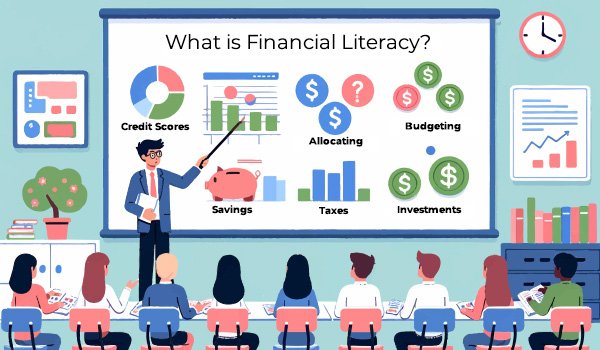
As a professional copywriting journalist, I recognize the vital role financial literacy plays in helping college students prepare for life after graduation. Studies show that 77% of Americans feel uneasy about their financial situation, and despite various educational initiatives, financial literacy rates in the U.S. are still slipping. This makes it more important than ever for young adults to develop strong money management skills to ease financial stress and build long-term stability.
Fortunately, there are programs like Financial Literacy Students 101 that provide college students with personalized financial assessments, online courses, budgeting tools, and resources to help them make informed money decisions and achieve their financial goals. By mastering essential topics like budgeting, saving, debt management, credit building, investing, and retirement planning, college students can set themselves up for long-term financial success and stability.
Key Takeaways Financial Literacy Students
- Financial Literacy Students is crucial for college students to master essential personal finance topics.
- Strong money management skills can help reduce Financial Literacy Students stress and improve overall well-being.
- Schools and colleges should teach students about important Financial Literacy Students concepts like taxes, debt management, budgeting, and investing.
- Programs like Financial Literacy Students 101 provide college students with personalized financial assessments, courses, and tools to make informed money decisions.
- Mastering topics like budgeting, saving, debt management, credit building, investing, and retirement planning can lead to long-term Financial Literacy Students success and stability.
Why Financial Literacy Is Essential
Experts agree that schools and universities should incorporate practical money skills into their curriculum. Essential areas of focus include:
- Understanding income taxes and how to file returns
- Managing debt responsibly
- Creating and maintaining a budget
- Tracking and balancing bank accounts
- Investing wisely and preparing for inflation
- Understanding the psychology behind Financial Literacy Students decisions
These topics form the backbone of smart personal finance and are critical for students stepping into independent adulthood.
Helpful Programs for Students
Programs such as Financial Literacy Students 101 give students access to:
- Tailored Financial Literacy Students assessments
- Engaging online learning modules
- Budgeting and expense-tracking tools
- Guidance on saving, debt management, credit building, and retirement planning
With these resources, students can make informed choices, set realistic goals, and work toward lasting Financial Literacy Students security.
Budgeting & Spending Plans: The Core of Money Management
A strong budget is the first step toward Financial Literacy Students control. Whether you’re brand new to budgeting or have been managing money for years, refining your approach can improve your Financial Literacy Students outcomes.
Typical Monthly Expenses in the U.S.
Data from the Bureau of Labor Statistics indicates that the average American household spends:
- 33% on housing
- 16% on transportation
- 13% on food
- 8% on healthcare
- Remaining funds on miscellaneous costs
Understanding these averages can help students create budgets that reflect both their needs and goals.
Tools for Smarter Budgeting
- Free Budget Calculators – These allow students to enter income, expenses, and goals, producing a clear spending plan while highlighting possible savings opportunities.
- Budgeting Apps – Tools like Simplifi can automate tracking, set savings targets, and give an instant overview of your finances.
When choosing a budgeting app, it’s best to look for ease of use, adaptability, and features that match your lifestyle.
Keeping Your Budget Flexible
A budget should adapt to your life. When new income streams appear or unexpected expenses arise, small adjustments can keep your finances on track without major disruptions. Regular reviews ensure your spending plan continues to serve your best interests.
GBoosting Your Savings
Saving money is a cornerstone of Financial Literacy Students, and mastering smart savings habits early can pave the way to long-term security. The journey starts with setting clear savings milestones that match your lifestyle, career stage, and future ambitions.
Recommended Savings Goals by Age
Financial Literacy Students experts suggest aiming for specific benchmarks:
- By age 30 – save an amount equal to your annual salary
- By age 40 – have at least three times your salary saved
- By age 50 – work toward six times your salary
These targets help create a strong Financial Literacy Students base and keep you on track toward a comfortable retirement.
Increasing Income with Side Hustles
One of the fastest ways to accelerate your savings is to bring in extra income. Thanks to the rise of the gig economy, opportunities are everywhere—from freelance design and tutoring to rideshare driving or launching an online store. Even a few hours a week on a side project can meaningfully grow your savings and strengthen your wealth-building mindset.
The Importance of an Emergency Fund
Life can be unpredictable, and having a safety net makes all the difference. Experts recommend starting small—set aside a few hundred dollars in a readily accessible savings account. Over time, aim to build three to six months’ worth of expenses. This Financial Literacy Students cushion can help you handle unexpected costs without derailing your budget or dipping into long-term investments.
How to Build an Emergency Fund
An emergency fund is a crucial safeguard against unexpected Financial Literacy Students challenges. The first source encourages college students to take the first step towards protecting their financial security by setting aside a few hundred dollars in an easily accessible savings account. This wealth building strategy can provide peace of mind and help you navigate life’s curveballs with confidence.
Bottom Line:
By focusing on consistent saving, exploring extra income streams, and creating a reliable emergency fund, you give yourself the tools to navigate Financial Literacy Students challenges and move confidently toward your long-term goals.
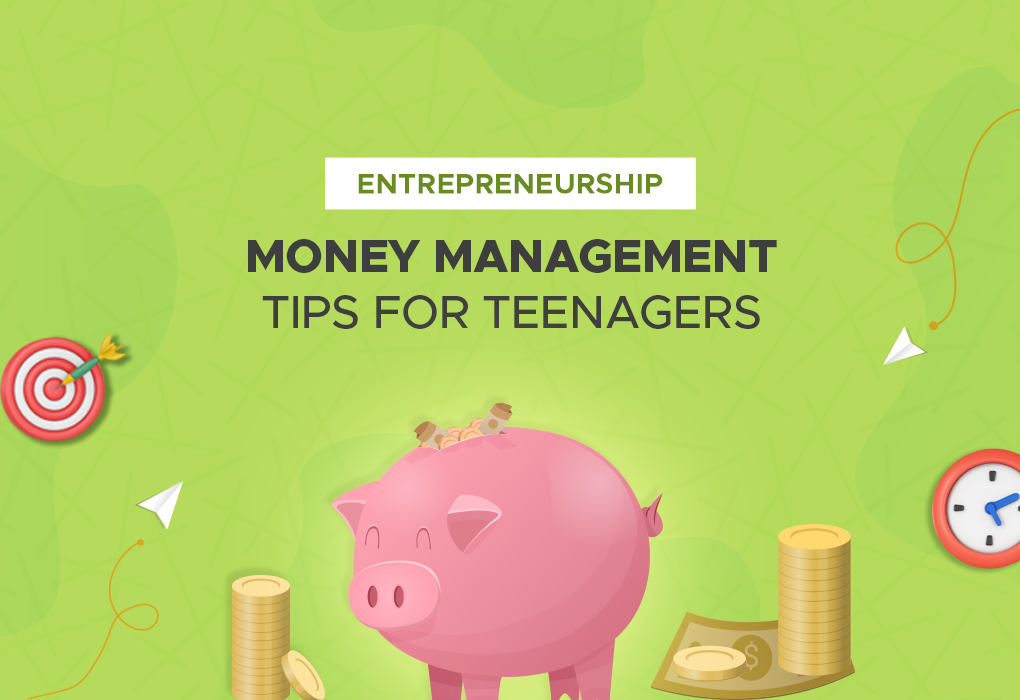
Managing Debt Wisely
Debt can hold you back from reaching Financial Literacy Students freedom, but with the right approach, you can take control and eventually eliminate it. For college students and young adults, learning debt management is a vital part of becoming financially literate.
Steps Toward a Debt-Free Lifestyle
While living entirely debt-free may sound ambitious, it’s more attainable than you think. Start by building a budget that puts debt repayment front and center. You might also consolidate multiple high-interest debts into one lower-interest loan to simplify payments. Combining discipline with smart Financial Literacy Students choices—like reducing unnecessary expenses or earning extra income through a side job—can significantly speed up your payoff timeline.
Breaking Free from Credit Card Debt
Carrying a credit card balance month after month can quickly spiral into a major Financial Literacy Students challenge. To escape the cycle, commit to paying more than the minimum balance each month. You can also contact your card issuer to negotiate a lower interest rate or consider a balance transfer card with a promotional 0% APR to tackle the principal faster.
Tackling Student Loan Repayment
Student loans are a common reality for many graduates, but they don’t have to weigh you down forever. Look into income-driven repayment plans, potential loan forgiveness opportunities, and refinancing options that could reduce your interest rate. By mapping out a personalized repayment strategy, you’ll be in a stronger position to eliminate this debt and move forward Financial Literacy Students.
Building and Protecting Your Credit Score
Your credit score is more than just a number—it’s a Financial Literacy Students passport that can influence everything from your ability to borrow money to renting an apartment or even landing certain jobs.
Smart Habits for Strong Credit
To maintain a healthy credit score, understand what affects it: payment history, credit utilization, account age, credit mix, and new credit inquiries. Make all payments on time, keep your balances well below your limits, and avoid applying for too much credit at once. Responsible borrowing today will give you more opportunities tomorrow.
Strengthening Your Credit Score
A strong credit score is one of the most powerful tools for achieving Financial Literacy Students independence. It influences not only your ability to get loans and credit cards but also your interest rates, rental applications, and even certain job opportunities. That’s why mastering credit management is a vital part of financial literacy for students.
Understanding the Credit Score Game
Before you can improve your credit, you need to understand what shapes it. Credit scores are built on several factors—payment history, credit utilization, length of credit history, types of credit, and new credit inquiries. Lenders want to see a track record of responsible borrowing, which means paying bills on time, keeping balances low compared to your limits, and having a healthy mix of credit accounts. Regularly reviewing your credit report can also help you catch errors early and fix any negative marks that might be dragging your score down.
Boosting Your Score in Half a Year
Even if your score isn’t where you want it to be, you can make meaningful progress in just six months with the right strategy. Start by paying off high-interest balances to lower your credit utilization ratio. Consider becoming an authorized user on a trusted family member’s or friend’s credit card to benefit from their positive history. Keep your spending within reasonable limits, avoid unnecessary new credit applications, and dispute any inaccuracies you find on your credit report. With consistent effort, your score can climb faster than you might expect.
By mastering the principles of credit management and actively working to raise your credit score, you open the door to greater financial opportunities—whether that means qualifying for lower interest rates, securing favorable loan terms, or gaining the confidence to make major life decisions. Building strong credit habits is a cornerstone of long-term financial literacy and independence.
Financial Education as a Lifelong Commitment
Personal finance isn’t something you learn once and check off your list—it’s a skill set that evolves with every stage of life. From a first-year college student opening their first bank account to an experienced professional fine-tuning their investment portfolio, ongoing financial education is the key to smarter money management, wealth building, and retirement preparedness.
Educational institutions have a powerful role to play in this journey. Programs like Financial Literacy Students 101 offer interactive lessons, personalized financial assessments, budgeting tools, and resources designed to prepare students for real-world money challenges. These tools not only teach foundational skills but also foster the confidence needed to make informed decisions and create generational wealth.
No matter your age or current situation, it’s never too early—or too late—to strengthen your financial knowledge. Consistently improving your money skills lays the groundwork for financial stability, peace of mind, and a secure retirement.
Investing and Planning for Retirement
Achieving financial freedom in retirement isn’t about luck—it’s about deliberate planning and disciplined investing. Understanding benchmarks, such as the average 401(k) balance by age, can help you measure your progress and set realistic goals.
Average 401(k) Balance by Age
Knowing how your savings compare to national averages offers valuable perspective. It can highlight whether you’re on track for your retirement goals or if adjustments to your savings rate or investment strategy are needed.
Using a Free Retirement Calculator
A retirement calculator can be a powerful tool for visualizing your financial future. By factoring in inflation, expected expenses, and potential investment growth, it helps you see what’s possible—and what changes might be necessary—to retire comfortably.
A Start-to-Finish Retirement Strategy
Successful retirement planning involves more than just contributing to a savings account. It’s a holistic process that begins with early investing, continues with strategic portfolio adjustments during your career, and includes careful withdrawal planning once you retire. Starting young maximizes the benefits of compound interest, turning small, consistent contributions into significant wealth over time.
Investing wisely and planning deliberately ensures you’re not just saving for the future—you’re building the freedom to enjoy it.
Understanding Income Taxes
For college students and young adults preparing to step into the professional world, understanding income taxes is a vital part of financial readiness. Income taxes are not just a yearly obligation—they are a fundamental element of how governments operate and provide public services. Learning the essentials now can prevent costly mistakes later and set the stage for responsible financial management.
Whether income comes from a full-time position, part-time work, freelancing, or running a small business, it is subject to taxation. Knowing how to track earnings, file tax returns accurately, and comply with tax regulations helps individuals stay on good terms with tax authorities while avoiding unnecessary fees or legal complications.
Building Financial Literacy Students skills in this area gives young adults the confidence to handle their tax responsibilities with ease. A solid understanding of income taxes enables them to make smarter financial decisions, plan for future obligations, and focus their energy on advancing their careers and reaching long-term financial goals.
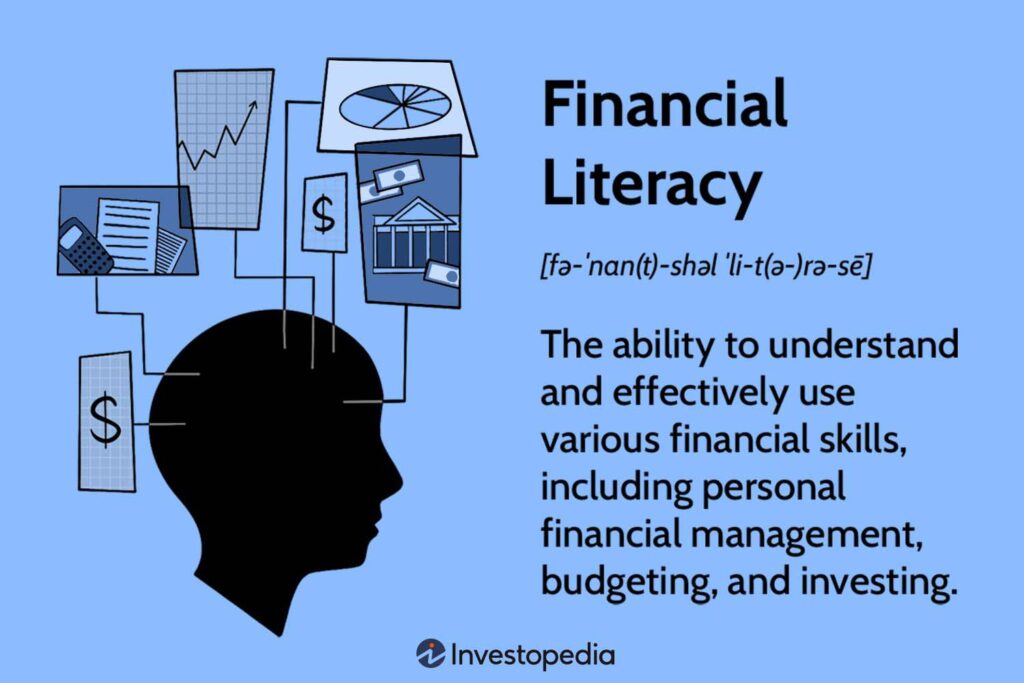
Filing Tax Returns
Filing annual tax returns is an unavoidable responsibility for anyone earning income, yet many young adults feel anxious about the process due to limited knowledge. According to recent sources, introducing a “Tax 101” program for students can help demystify this task and build essential Financial Literacy Students skills.
Understanding how to complete tax returns is critical for students entering the workforce. From deciphering forms and meeting deadlines to maximizing deductions and credits, knowing the basics can significantly impact financial stability. Equipping students with these skills allows them to approach tax season confidently, ensuring compliance while avoiding unnecessary stress.
Key Tips for Successful Tax Filing
- Learn to read and complete common tax forms, such as W-2s and 1040s
- Identify eligible deductions and tax credits to reduce liability
- Determine filing status and list dependents correctly
- Accurately calculate income, withholdings, and estimated taxes
- Start collecting necessary documents early to stay organized
- Take advantage of free tax preparation tools and online resources
- File electronically for faster processing and refunds
- Consider professional assistance when needed for complex situations
By giving students a clear understanding of the tax filing process, educators can reduce anxiety and help young adults develop lifelong financial skills. Mastering these practices not only ensures compliance with government requirements but also lays a strong foundation for confident money management in the future.inancial task. Equipping young adults with these Financial Literacy Students skills will set them up for success in managing their taxes and maintaining financial stability throughout their lives.
The Psychology of Money
Grasping the psychology of money is essential for developing a healthy financial mindset and achieving long-term stability. Our beliefs, emotions, and behaviors around money are often shaped by deep-seated psychological factors that influence how we make financial decisions and cultivate Financial Literacy Students skills.
Experts highlight that an individual’s approach to money affects both personal growth and professional development. By identifying the psychological drivers behind spending, saving, and investing habits, students can make more rational choices that align with their values and long-term financial objectives.
Financial education that incorporates the psychology of money can reduce the risk of poor financial choices during stressful periods. Understanding biases, emotional triggers, and habitual behaviors allows students to take control of their finances, break cycles of impulse spending, build a healthy relationship with debt, and approach investing with confidence.
Entrepreneurship
Teaching students the fundamentals of entrepreneurship is critical, as small businesses are the engine of the economy. Gaining entrepreneurial knowledge not only supports personal career development but also contributes to broader economic growth.
Building strong Financial Literacy Students skills is key for aspiring entrepreneurs. Proficiency in budgeting, debt management, investment planning, and financial analysis equips students to navigate the challenges of launching and growing a business successfully.
By offering comprehensive education on entrepreneurship, schools and colleges can empower the next generation of innovators and business leaders. Students learn to identify opportunities, assess risks, manage finances, and contribute meaningfully to the economy.
Key Benefits of Entrepreneurship
- Independence and the ability to be your own boss
- Opportunities to pursue passions and innovative ideas
- Potential for higher financial returns
- Contribution to local and national economic growth
Essential Financial Skills for Entrepreneurs
- Budgeting and financial planning
- Debt management and investment strategies
- Accessing and evaluating funding sources
- Reading and interpreting financial statements
- Optimizing tax efficiency
Equipping students with both entrepreneurial knowledge and Financial Literacy Students skills sets the stage for long-term success and economic contribution.
The Power of Compound Interest
Understanding compound interest is crucial for building wealth and developing lasting Financial Literacy Students skills. Often described as the “eighth wonder of the world,” compound interest can accelerate investment growth—or hinder it if mismanaged.
The principle is simple: interest earned on savings or investments is reinvested, allowing future interest to accumulate on both the principal and previously earned interest. Over time, even modest contributions can grow significantly, making early and consistent investment planning essential.
| Initial Investment | Annual Return | Years Invested | Final Value |
|---|---|---|---|
| $10,000 | 7% | 30 | $76,132 |
| $5,000 | 8% | 40 | $86,706 |
| $15,000 | 6% | 20 | $38,409 |
By understanding and leveraging compound interest, students can prioritize saving, investing, and retirement planning early in life. This knowledge empowers them to build wealth steadily and even establish generational financial security.
Conclusion: Financial Literacy Students
Reflecting on the key topics of Financial Literacy Students, it’s evident that developing strong financial skills is an ongoing journey rather than a single milestone. While initiatives like Financial Literacy Month help raise awareness, true financial competence requires continuous learning, practice, and commitment.
Whether you are a college student beginning to explore budgeting, saving, and investing, or a professional seeking to optimize retirement planning and wealth-building strategies, there is always room to grow. Adopting a mindset of lifelong financial education allows you to make informed decisions, reduce stress related to money, and build lasting financial security.
Resources such as budgeting software, interactive financial literacy programs, and educational tools provided by schools and colleges can serve as invaluable support along this path. By actively engaging with these tools, you can strengthen your money management skills, master debt and investment strategies, and gain the confidence to pursue financial independence.
Ultimately, achieving financial stability, creating generational wealth, and preparing for retirement come down to being proactive, curious, and disciplined in managing your personal finances. Embracing these habits today sets the foundation for a secure and prosperous future tomorrow.
FAQ Financial Literacy for College Students
Which personal finance skills should every college student focus on?
Key skills include budgeting, saving, managing debt, building credit, investing, planning for retirement, understanding income taxes, filing tax returns, and developing a healthy money mindset.
How does financial literacy benefit college students in the long term?
Financial literacy equips students to make smart money decisions, reduce financial stress, and build a foundation for long-term stability and independence.
What are the advantages of having a solid budget as a college student?
A well-planned budget helps students control spending, prioritize financial goals, avoid overdrafts, and start saving early. Tools like Simplifi can simplify this process.
What steps can students take to start saving money effectively?
Students can build savings by creating an emergency fund, tracking expenses, setting aside a portion of income, and exploring side hustles to increase earnings.
How can college students handle debt responsibly?
Strategies include paying down high-interest debt first, using credit wisely, consolidating loans if needed, and creating a repayment plan for student loans. Proper debt management can prevent financial strain and even be leveraged for growth.
Why is building a good credit history important for students?
A strong credit score affects eligibility for loans, credit cards, and sometimes employment. Students can improve their credit by making timely payments, keeping balances low, and monitoring their credit reports regularly.
How can students cultivate lifelong financial knowledge?
Financial education is an ongoing process. Participating in college courses, online programs, and interactive tools can help students continuously develop essential money management skills.
What should students know about investing and retirement planning?
Students should understand the basics of investing, the power of compound interest, average retirement account balances, and use resources like retirement calculators to plan ahead.
Why is tax knowledge important for young adults?
Understanding income taxes and learning to file returns helps students meet legal obligations, avoid penalties, and approach tax season with confidence.
How does understanding the psychology of money improve financial decisions?
Being aware of money-related behaviors, biases, and emotional triggers can help students make rational financial choices and avoid poor money habits.
Why should college students explore entrepreneurship?
Entrepreneurship provides opportunities to pursue passions, gain financial independence, and contribute to economic growth. Financial literacy skills like budgeting and investment planning are crucial for entrepreneurial success.
How can compound interest impact students’ financial future?
Compound interest allows investments to grow exponentially over time. Understanding this concept enables students to make informed decisions that can significantly enhance long-term wealth.