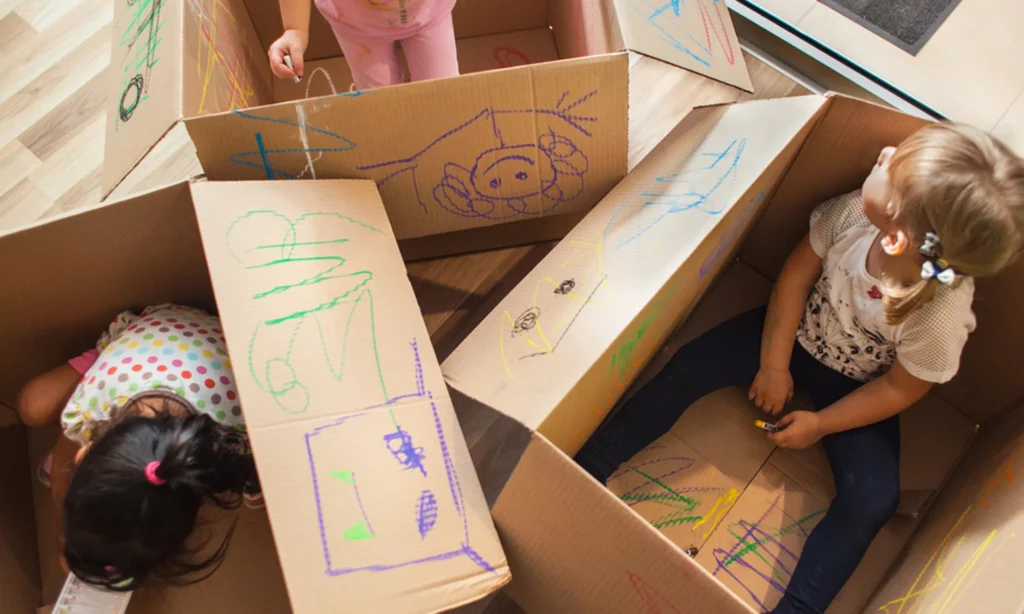
Students thrive when they are given the space to imagine, experiment, and explore their ideas freely. In my experience, empowering creative minds and supporting their artistic vision is essential for developing the critical life skills that young people need to navigate the challenges of the 21st century.
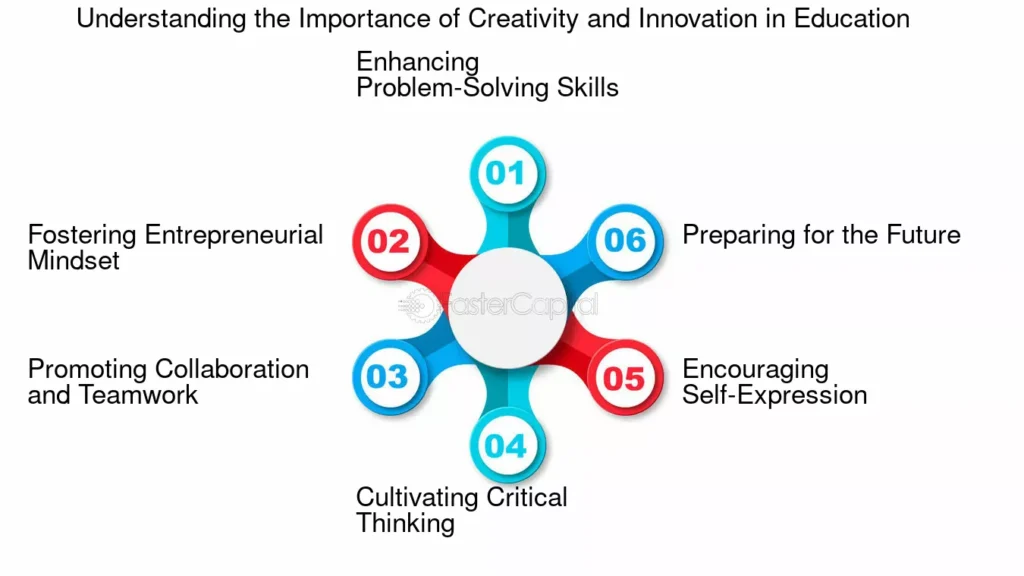
The Drexel University School of Education defines a creative learning environment as one that encourages students to experiment through trial and error, use their imagination, and apply critical thinking to solve problems. Such an environment doesn’t just teach skills—it nurtures confidence, resilience, and a willingness to take risks. When students are encouraged to explore new ideas, they learn persistence, teamwork, problem-solving, and innovative ways of learning. Creativity in education fuels the divergent thinking that drives innovation while also opening up new channels for personal self-expression.
Key Takeaways – Creativity in Education
- Nurturing Creativity in Education equips students with essential life skills.
- A creative learning environment blends imagination, experimentation, and critical thinking.
- Cultivating Creativity in Education fosters innovation, self-expression, and artistic growth.
- Supporting artistic vision helps prepare students for future challenges.
- Creativity in Education is vital for both problem-solving and personal expression.
What is a Creative Learning Environment?
At its heart, a creative learning environment is one that values curiosity, encourages questioning, and supports students in developing their own theories and ideas. It promotes skill-building through goal setting, knowledge sharing, and relationship-building—tools that help students refine their creative voice.
Encouraging Imagination and Critical Thinking
MIT researcher Mitch Resnick argues that the challenge isn’t in “teaching” Creativity in Education directly, but in designing conditions where it can naturally grow. By crafting classrooms that stimulate imagination and critical inquiry, educators can unlock a student’s creative potential and encourage lifelong artistic growth.
Fostering Trial and Error
Creativity in Education flourishes in spaces where mistakes are not failures but stepping stones. When students are encouraged to test ideas, take risks, and learn from missteps, they not only develop stronger problem-solving skills but also build the resilience and adaptability essential for innovation.
Promoting Collaboration and Shared Vision
Goal setting and collaboration are vital in creative learning. When students work together, exchange perspectives, and co-create, they strengthen both their individual talents and their collective capacity for innovation. By fostering this spirit of collaboration, educators can inspire students to push boundaries and bring their creative visions to life.
Why Fostering a Creative Learning Environment Matters
Cultivating Creativity in Education in the classroom is more than an educational strategy—it’s an investment in the future. By nurturing students’ creative potential, educators spark innovation, inspire self-expression, and equip learners with the tools they need to adapt in an ever-changing world. The Drexel University School of Education notes that fostering creativity brings both immediate benefits, such as enhanced engagement, and long-term gains, including greater problem-solving ability and resilience.
Encouraging Risk-Taking Without Fear
A truly creative classroom is one where students feel safe to experiment and take intellectual risks. Mistakes are reframed as opportunities for discovery rather than setbacks. This supportive atmosphere allows learners to develop original ideas, explore artistic expression, and approach challenges with confidence—free from the fear of failure.
Project-Based Learning (PBL)
Rather than relying solely on textbooks and lectures, project-based learning encourages students to work on real-world challenges. This method allows them to apply academic knowledge creatively, collaborate with peers, and develop critical thinking skills while producing tangible results.
Open-Ended Assignments
Assignments without a single “correct” answer give students the freedom to explore different approaches and think outside the box. This flexibility fosters innovation, originality, and the courage to experiment without fear of being wrong.
Flexible Classroom Layouts
The physical environment plays a key role in supporting Creativity in Education. Arranging desks in clusters, circles, or dynamic configurations can encourage discussion, teamwork, and creative problem-solving.
Integration of Arts Across Subjects
Blending music, drama, visual arts, or creative writing into science, history, or math lessons can help students see subjects from fresh perspectives and make learning more engaging.
Brainstorming Sessions
Regular brainstorming exercises encourage students to generate ideas freely without judgment. This cultivates divergent thinking and helps them learn that the first idea is rarely the best one—refinement is key.
Encouraging Curiosity and Inquiry
By creating opportunities for students to ask questions and explore topics of personal interest, teachers can tap into their intrinsic motivation and inspire self-directed learning.
Collaborative Learning
Working in groups allows students to build on one another’s ideas, learn from diverse perspectives, and develop the social skills needed for creative collaboration.
Constructive Feedback and Reflection
Providing feedback that acknowledges effort, encourages improvement, and values originality helps students feel safe to experiment and refine their ideas. Pairing feedback with self-reflection exercises also deepens their understanding of their own creative process.
Building Persistence and Problem-Solving Abilities
When students are encouraged to tackle problems creatively, they naturally develop persistence, learning to refine and adjust their approach until they find a solution. These experiences strengthen critical thinking, teamwork, and adaptability. As MIT researcher Mitch Resnick explains, the role of educators is not to directly “teach” Creativity in Education, but to design rich, stimulating environments where it can take root, grow, and thrive.

Why Creativity is Essential for Students
In today’s fast-changing world—where entire industries can emerge or vanish within a decade—Creativity in Education has become a vital skill for success. Drexel University School of Education highlights creativity as a cornerstone of divergent thinking, the kind of flexible, open-minded problem-solving that fuels innovation. When students expand their creative abilities, they strengthen not only their capacity to generate original ideas but also their critical thinking and analytical skills.
Creativity in Education is more than an academic advantage—it’s a lifelong skill. As MIT’s Mitch Resnick notes, creative thinking nurtures problem-solving, adaptability, and resilience, enabling students to thrive in an unpredictable future.
Driving Innovation and Flexibility
In an age of constant technological and social shifts, the ability to adapt and think beyond conventional boundaries is invaluable. By fostering creative talent, educators help students become agile thinkers and resourceful problem-solvers, ready to meet challenges with fresh, innovative solutions.
A Pathway to Self-Expression
Creativity in Education also offers something deeply personal: the freedom to express oneself. When teachers encourage students to explore their artistic vision and experiment with new forms of expression, they empower them to share their thoughts, emotions, and ideas in ways that are uniquely their own.
The Teacher’s Role in Fostering Creativity
As noted by Drexel University School of Education, educators are in a unique position to spark and sustain Creativity in Education in their students. While creative growth can certainly occur outside the classroom, teachers play a pivotal role in guiding, inspiring, and providing the right conditions for it to flourish. This role involves two main responsibilities: serving as an example of creative practice and actively nurturing the creative thinking process.
Being a Creative Role Model
Teachers who embrace Creativity in Education in their own lives can inspire the same in their students. Whether it’s by introducing variety into lessons, experimenting with new teaching methods, or sharing personal creative projects, these actions send a clear message: creativity is valuable and worth cultivating. Seeing their teachers take risks and think imaginatively encourages students to step outside their own comfort zones and explore their potential.
Igniting Creative Thinking
Mitch Resnick of MIT reminds us that Creativity in Education is not just a mysterious talent—it can be encouraged through intentional practice. By tapping into students’ natural curiosity, offering open-ended challenges, and promoting hands-on experimentation, teachers can help students stretch their thinking in new directions. This approach not only strengthens their ability to innovate but also equips them with creative problem-solving skills that will serve them well beyond the classroom.

Nurturing Creative Talent
The Drexel University School of Education highlights that cultivating Creativity in Education in the classroom begins with intentional choices in teaching strategies and environment design. By adopting approaches that spark curiosity and allow room for exploration, educators can create a space where innovation, self-expression, and artistic growth thrive.
Designing a Flexible Learning Space
A classroom that adapts to students’ needs can be a catalyst for Creativity in Education. Arranging desks into clusters, circles, or U-shapes encourages interaction and teamwork, making it easier for students to share ideas, collaborate on projects, and explore new perspectives together.
Building a Rich Classroom Library
Providing students with direct access to diverse literature is a powerful way to fuel imagination. A well-stocked classroom library not only strengthens reading skills but also exposes learners to different worlds, voices, and ideas that can inspire their own creative expressions.
Incorporating Open-Ended Tasks
Replacing one-right-answer assignments with challenges that have multiple possible solutions allows students to experiment, take risks, and develop their own problem-solving approaches. This flexibility fosters self-expression and encourages them to think beyond conventional boundaries.
Moving Beyond Rote Learning
Shifting the focus away from memorization toward tasks that require questioning, analyzing, and reimagining builds deeper engagement. When students are encouraged to challenge assumptions, they develop critical and creative thinking skills that empower them to generate original ideas.
Empowering Imaginative Minds
Insights from the Drexel University School of Education and Mitch Resnick of MIT highlight that empowering students’ imagination is less about giving them ready-made answers and more about creating the right conditions for discovery. By allowing time for exploration, encouraging collaboration, and providing meaningful feedback, educators can help students unlock their creative potential and build confidence in their own ideas.
Giving Time for Discovery
Creativity in Education often flourishes when students are given the space to wrestle with problems and experiment with solutions on their own terms. Rather than rushing to demonstrate the “right” approach, teachers who practice patience allow learners to explore, make mistakes, and ultimately arrive at solutions that are uniquely their own.
Encouraging Collaborative Thinking
Group work creates an environment where imagination can thrive through the exchange of diverse perspectives. When students combine their ideas, challenge each other’s thinking, and build on collective strengths, they develop both their creative capacity and essential skills in communication and cooperation.
Offering Feedback that Inspires
Constructive feedback should guide rather than dictate. By acknowledging effort, highlighting strengths, and offering suggestions for growth, teachers can help students refine their creative ideas while preserving the originality that makes them valuable. This kind of encouragement not only nurtures artistic growth but also fuels the motivation to keep innovating.
Inspiring Innovative Thinking
Research from the Drexel University School of Education and insights from Mitch Resnick at MIT suggest that innovative thinking in the classroom thrives when teachers model Creativity in Education, tap into students’ natural curiosity, and introduce fresh, engaging activities. By creating such an environment, educators can nurture creative talent, spark imagination, and help students reach their full potential.
Leading Through Creative Example
Teachers who actively demonstrate Creativity in Education—whether by altering routines, taking small risks, or developing personal creative rituals—send a powerful message to their students. When educators embrace experimentation and show openness to new ideas, they inspire students to do the same, cultivating a classroom culture where originality is encouraged and valued.
Harnessing Curiosity as a Catalyst
Giving students the freedom to explore topics of personal interest and share their discoveries can ignite their Creativity in Education and deepen engagement. By building lessons around student-driven inquiry, educators foster not only artistic development but also the ability to think independently and critically.
Introducing Novel Activities
Incorporating fresh approaches—such as free-writing sessions, design challenges, or concept cartooning—can spark new ways of thinking and problem-solving. These creative exercises help students build confidence in their ideas and strengthen the skills they need to navigate a rapidly changing world.
Cultivating Collaborative Creativity in Education
Collaboration allows students to learn from different perspectives, combine strengths, and expand their creative horizons. Teachers can act as “creative matchmakers,” pairing students with complementary skills and interests. Beyond the classroom, involving parents and mentors as true partners in the creative process can lead to richer ideas and stronger connections.
Becoming a Co-Creator in Learning
When educators step into the role of co-creators, they shift from simply delivering content to actively shaping ideas alongside their students. This shared creative journey encourages risk-taking, experimentation, and mutual inspiration—helping students develop both the confidence and the imagination to innovate.
Conclusion
Fostering creativity in education is far more than an optional teaching strategy—it is an essential investment in preparing students for a future defined by change, complexity, and possibility. When educators nurture creative talent, encourage risk-taking, and embrace collaboration, they create learning environments where innovation can flourish and self-expression can thrive. By modeling curiosity, empowering imagination, and engaging as co-creators, teachers not only help students solve problems in new ways but also give them the confidence to navigate uncharted paths. Ultimately, a creative classroom does more than teach academic content—it cultivates adaptable, resilient thinkers who can imagine, design, and shape a better world.
As Drexel University School of Education and Mitch Resnick from MIT have emphasized, the key is to create a fertile environment in which students’ Creativity in Education can take root, grow, and flourish. By embracing the strategies outlined in this article, educators can unlock the imaginative minds of their students, inspire innovative thinking, and foster the collaborative creativity that will serve them well in the years to come.
The journey towards nurturing creative talent, fostering imagination, and unlocking potential may not be an easy one, but the rewards are immeasurable. As educators, we have the power to shape the creative development of our students, inspiring innovation, encouraging self-expression, and cultivating artistic growth that will empower them to navigate the challenges and possibilities of the future.
Creativity in education is not about abandoning structure—it’s about enriching learning experiences with opportunities for exploration, collaboration, and innovation. By incorporating these teaching methods, educators can unlock their students’ potential, preparing them not just for exams, but for a lifetime of creative problem-solving and adaptability.
FAQ
1. What defines a truly creative classroom?
A creative classroom is one that sparks curiosity, embraces experimentation, and encourages students to explore new ideas without fear of making mistakes.
2. In what ways does creativity boost student learning?
Creative learning environments help students build resilience, improve problem-solving skills, strengthen teamwork, and discover innovative ways to approach challenges.
3. Why is fostering creativity essential for the future workforce?
Creativity fuels innovation, adaptability, and original thinking—skills that are crucial for success in a rapidly evolving world.
4. How can educators serve as catalysts for student creativity?
By modeling creative thinking, encouraging exploration, and supporting unconventional ideas, educators can inspire students to take ownership of their learning.
5. What are some practical ways to design a creativity-friendly classroom?
Flexible seating arrangements, diverse learning materials, open-ended projects, and reduced emphasis on rote memorization can all help spark creativity.
6. How can teachers encourage students to think outside the box?
Patience, group collaboration, and constructive feedback can empower students to take risks and develop original solutions.
7. What role does curiosity play in inspiring innovation?
When students are allowed to follow their interests and explore topics they are passionate about, they naturally engage in deeper creative thinking.
8. How does teamwork contribute to creative growth?
Working with peers allows students to exchange ideas, learn from different perspectives, and co-create solutions that might not emerge individually.