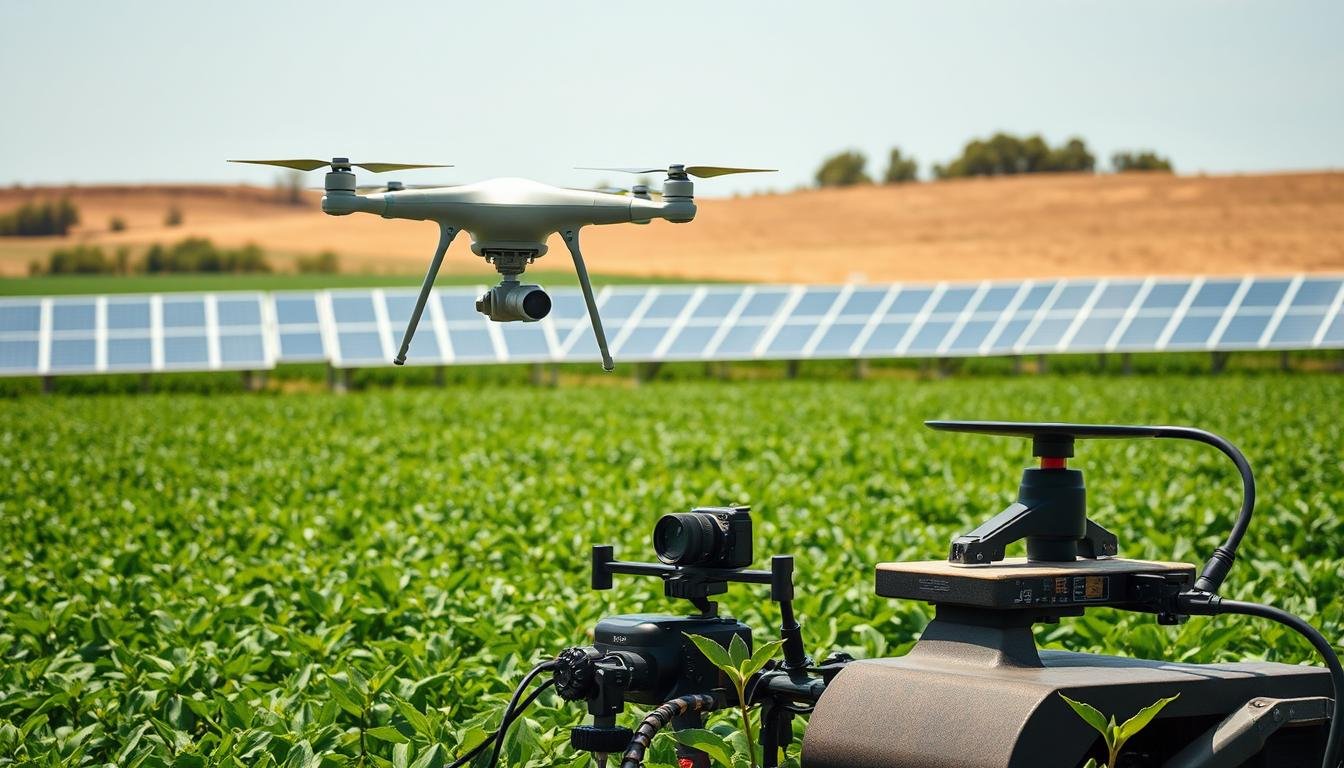
The world is witnessing a significant transformation in the Biotech in Agriculture sector, driven by advancements Biotech in Agriculture. This revolution is making farming more efficient and sustainable Page.

With the integration of precision agriculture and sustainable farming practices, the industry is becoming more productive and environmentally friendly. This shift is crucial as the global population continues to grow, demanding more food production with minimal environmental impact.
Key Takeaways
- Biotech in Agriculture is transforming the farming industry.
- Sustainable farming practices are becoming more prevalent.
- Precision agriculture is enhancing productivity.
- The industry is moving towards Page more environmentally friendly methods. Page
- Biotech in Agriculture innovations are key to meeting future food demands.
The Page H2: Past to Present
The journey of agriculture from traditional farming to modern industrialization has been transformative. Over the years, agricultural practices have evolved significantly, driven by the need to feed a growing global population.
From Traditional Farming to Industrialization
Traditional farming was characterized by simple tools and techniques passed down through generations. The advent of industrialization brought about significant changes, with the introduction of machinery and technology that increased efficiency and productivity.
The Growing Challenges in Global Food Production
Despite advancements, global food production faces numerous challenges. Two significant pressures are population growth and climate change.
Population Growth Pressures
The global population is projected to reach 9.7 billion by 2050, putting immense pressure on the agricultural sector to produce more food. Genetic engineering and GMO crops are being utilized to enhance crop yields and ensure food security.
Climate Change Challenges
Climate change poses another significant challenge, with rising temperatures and unpredictable weather patterns affecting crop productivity. Biotech in Agriculture is being harnessed to develop crops that are resilient to these changes.
| Challenge | Biotech Solution |
|---|---|
| Population Growth | Genetic Engineering for Higher Yields |
| Climate Change | Climate-Resilient Crops |
“The use of Biotech in Agriculture is crucial for addressing the challenges posed by population growth and climate change.”
By leveraging Biotech in Agriculture solutions, the agricultural sector can better address these challenges and ensure a more food-secure future.
Biotech in Agriculture: Transforming Farming Fundamentals
Biotech in Agriculture applications in agriculture are changing the fundamentals of farming. Agricultural innovation is at the forefront, providing solutions to longstanding challenges in crop production and sustainability.
Defining Modern Biotech in Agriculture
Modern Biotech in Agriculture involves the use of scientific tools and techniques to modify crops and improve their yield, nutritional content, and resistance to pests and diseases. This field has seen significant advancements in recent years, driven by the need to feed a growing global population.
Page>
The Science Behind Agricultural Innovation
The science behind agricultural innovation is rooted in cellular and molecular techniques. These techniques enable scientists to develop crops with desirable traits, such as drought resistance or enhanced nutritional profiles.
Cellular and Molecular Techniques
Cellular and molecular techniques are crucial in Biotech in Agriculture. They include methods such as genetic engineering and marker-assisted selection, which allow for precise and efficient crop improvement.
From Lab to Field: Implementation Process
The implementation process involves several stages, from initial research and development to field testing and commercialization.
“The successful deployment of Biotech in Agriculture crops requires a thorough understanding of both the technology and the regulatory frameworks that govern its use.”
Ensuring that Biotech in Agriculture crops are safe for consumption and the environment is paramount.
By leveraging molecular techniques and other Biotech in Agriculture advancements, scientists can develop crops that not only meet the current food demands but also contribute to a more sustainable agricultural practice.
Genetic Engineering: Creating Crops for the Future Page H2:
By leveraging genetic engineering, scientists are creating crops that can better withstand environmental stresses and improve food security. This technological advancement is crucial in meeting the world’s growing food demands while minimizing the environmental footprint of agriculture.
The Mechanics of Genetic Modification
Genetic modification involves the use of Biotech in Agriculture to introduce desirable traits into crops. This process allows for precision in enhancing crop characteristics such as yield, pest resistance, and nutritional content.
Bt Corn and Cotton
Bt corn and cotton are examples of genetically modified crops that produce a toxin harmful to certain pests, reducing the need for insecticides.
Herbicide-Resistant Soybeans
Herbicide-resistant soybeans are another significant application, allowing farmers to use specific herbicides to control weeds more effectively, thus improving crop yields and reducing soil erosion.
Separating GMO Facts from Fiction
Despite the benefits, genetically modified organisms (GMOs) are often subject to misconceptions. It’s essential to differentiate between the scientific consensus and public perception. GMOs have been extensively tested and are considered safe for consumption and the environment.
“The scientific consensus is clear: genetically modified crops are safe for human consumption and the environment.”
Nobel laureate in chemistry
How CRISPR-Cas9 is Changing the Game
The advent of CRISPR-Cas9 gene editing technology has revolutionized genetic engineering. It offers a more precise, efficient, and cost-effective method for developing crops with desired traits.
- Precision in gene editing
- Potential for developing disease-resistant crops
- Enhanced nutritional profiles
Recent Breakthroughs in American Agriculture
Recent advancements include the development of disease-resistant citrus and staple crops with improved nutritional profiles.
Disease-Resistant Citrus
Disease-resistant citrus varieties are being developed to combat diseases that have devastated citrus groves, ensuring the sustainability of citrus production.
Improved Nutritional Profiles in Staple Crops
Biofortified crops are being engineered to have enhanced nutritional content, addressing micronutrient deficiencies in populations reliant on staple crops.
Fighting Back: Biotech in Agriculture Solutions for Pest and Disease Management
Modern agriculture is leveraging Biotech in Agriculture to combat pests and diseases more effectively than ever before. This integration of biotech solutions is transforming the way farmers manage crops, reducing the reliance on chemical controls and enhancing crop Page resilience.
Built-in Protection: Insect-Resistant Crop Varieties Page h3>
One of the significant advancements in Biotech in Agriculture is the development of insect-resistant crop varieties. By introducing genes from Bacillus thuringiensis (Bt), crops become resistant to certain pests, reducing the need for insecticides. This not only protects the crops but also helps in preserving beneficial insects.
Combating Plant Diseases Through Genetics
Biotech in Agriculture is also being used to combat plant diseases through genetic modification. Scientists are identifying genes that confer resistance to diseases, allowing for the development of crop varieties that can withstand pathogen attacks. This approach is crucial for reducing crop losses and ensuring food security.
The use of Biotech in Agriculture solutions in agriculture significantly reduces the reliance on chemical controls. By developing crops that are inherently resistant to pests and diseases, the need for pesticides and other chemicals decreases. This shift has both environmental and economic benefits.
Environmental Benefits
- Reduced chemical runoff into water bodies, protecting aquatic life.
- Less soil contamination, preserving soil health.
- Decreased impact on non-target species, including beneficial insects and pollinators.
Economic Advantages
Economic benefits include reduced Page costs for farmers on pesticides and other chemicals, potentially leading to higher profit margins. Additionally, the increased crop yields due to better pest and disease management contribute to food security and economic stability in the agricultural sector.
Growing More With Less: Enhancing Crop Nutrition and Yield
With the global population projected to reach 9 billion by 2050, enhancing crop nutrition and yield is more crucial than ever. Biotech in Agriculture is playing a pivotal role in addressing this challenge by developing crops that are not only more nutritious but also more resilient and productive.
Biofortification: Adding Nutritional Value to Foods
Biofortification is a process that involves enhancing the nutritional content of crops. This is achieved through conventional breeding techniques or genetic engineering.
Golden Rice and Vitamin APage H2:4>
Golden Rice is a prime example of biofortification, engineered to produce beta-carotene, a precursor to vitamin A, to combat vitamin A deficiency in developing countries.
Iron and Zinc Enhancement
Crops are also being enhanced with increased levels of iron and zinc Page H Page H2:2: to address micronutrient deficiencies.
Creating Climate-Resilient Crops
Biotech in Agriculture is helping to develop crops that can withstand the challenges posed by climate change, such as drought and high temperatures.
Breaking Yield Barriers Through Biotech in Agriculture
Biotech in Agriculture innovations are also focused on improving crop yields. Techniques such as genetic engineering and precision breeding are being used to enhance yield potential.
By leveraging these advancements, the agricultural sector can meet the growing demand for food while minimizing its environmental footprint.
Green Biotech: Environmental Implications of Biotech in Agriculture
The integration of biotechnology in agriculture is revolutionizing the way we produce food, with significant implications for the environment. Biotech in Agriculture is not just about improving crop yields; it’s also about reducing the environmental footprint of farming practices.
Reducing Agriculture’s Environmental Footprint
Biotechnology is playing a crucial role in making agriculture more sustainable. By developing crops that are more resilient and require fewer resources, Biotech in Agriculture is helping to Page H3: reduce the environmental impact of farming.
Water Usage Efficiency
Crops engineered to be drought-tolerant or to require less water are being developed, which can significantly reduce water usage in agriculture.
Land Conservation Benefits
By improving crop yields on existing farmland, Biotech in Agriculture helps in conserving natural habitats and biodiversity by reducing the need to convert more land for agriculture.
Page H3:
| Environmental Benefit | Description | Impact |
|---|---|---|
| Water Conservation | Crops that require less water | Reduced water usage |
| Land Conservation | Higher yields on existing land | Less land conversion |
Biodiversity Considerations and Concerns
While biotech offers many benefits, it’s also important to consider its impact on biodiversity. Ensuring that Biotech in Agriculture crops do not harm local ecosystems is a priority.

Biotechnology’s Role in Climate Change Adaptation
Biotech in Agriculture is crucial in developing crops that can withstand the challenges posed by climate change, such as increased temperatures and changing precipitation patterns.
By embracing Biotech in Agriculture, we can move towards more sustainable agriculture practices, reducing our environmental impact while ensuring food security for the future.
Dollars and Sense: Economic Impact on American Farmers
The economic impact of biotech on American farmers is multifaceted, influencing various aspects of agricultural economics. As Biotech in Agriculture continues to advance, its effects on the farming community are becoming increasingly significant.
Investment vs. Returns for U.S. Farmers
For U.S. farmers, adopting biotech means making a significant investment. However, the returns can be substantial, with studies showing that biotech crops can increase yields by up to 22%. This increase in productivity directly translates to better economic outcomes for farmers.
Higher yields and improved crop quality are just a couple of the benefits that contribute to the economic advantages of biotech in farming.
Market Access and International Trade Dynamics
Biotech in Agriculture also plays a crucial role in market access and international trade. By enhancing crop traits, biotech improves the competitiveness of U.S. farmers in the global market. This can lead to increased exports, benefiting the national economy.
- Improved crop durability and quality enhance marketability.
- Compliance with international biotech regulations facilitates trade.
Strengthening Food Security and Affordability
Biotech contributes to food security by increasing crop yields and improving resistance to pests and diseases. This not only ensures a more stable food supply but also helps in maintaining affordability for consumers.
Local Economic Benefits
Local economies benefit from biotech through job creation in the agricultural sector and related industries. Moreover, the increased income for farmers can lead to more local investment.
Global Market Implications
On a global scale, the adoption of biotech can influence market dynamics, potentially leading to a more stable global food supply. This has implications for food prices and availability, particularly in regions heavily reliant on imports.
Rules of the Game: Regulatory Frameworks and Safety
In the United States, the regulation of agricultural biotechnology involves a coordinated effort among several federal agencies. This multi-faceted approach ensures that biotech crops are safe for consumption and do not harm the environment.
The U.S. Approach to Regulating Biotech in Agriculture
The regulation of Biotech in Agriculture in the U.S. is primarily overseen by three federal agencies: the Food and Drug Administration (FDA), the United States Department of Agriculture (USDA), and the Environmental Protection Agency (EPA).
FDA, USDA, and EPA Oversight
The FDA is responsible for ensuring that biotech foods are safe to eat. The USDA regulates the cultivation of biotech crops to prevent any adverse effects on the environment and traditional farming. The EPA oversees the use of pesticidal substances in biotech crops.
Approval Processes
The approval process for biotech crops involves several steps, including risk assessment, field testing, and a thorough review of data submitted by the biotech company. This rigorous process ensures that only safe and environmentally friendly biotech crops are approved for commercial use.
International Regulatory Landscape
Regulatory frameworks for agricultural biotechnology vary globally. Some countries have adopted more stringent regulations, while others have more lenient policies. International trade dynamics are significantly influenced by these regulatory differences.
| Country/Region | Regulatory Approach | Key Features |
|---|---|---|
| United States | Multi-agency oversight | FDA, USDA, EPA involvement |
| European Union | Centralized approval process | EFSA conducts risk assessment |
| China | Regulated under biosafety laws | MOA and MEP oversee biotech crops |
Ensuring Safety: Testing and Monitoring Protocols
To ensure the safety of biotech crops, rigorous testing and monitoring protocols are in place. These include environmental risk assessments, health impact studies, and post-market monitoring to detect any unforeseen effects.

The safety and regulatory frameworks governing agricultural biotechnology are crucial for its sustainable development. By understanding these frameworks, stakeholders can better navigate the complex landscape of biotech regulation.
The Human Factor: Ethical Considerations and Public Perception
The integration of biotechnology in agriculture has sparked a multitude of ethical considerations that influence public perception. As the technology advances, it’s crucial to address the concerns of consumers, farmers, and regulatory bodies alike.
Consumer Concerns and the Labeling Debate
One of the primary ethical considerations is the labeling of genetically modified organisms (GMOs). Consumers have the right to know what they are eating, and proponents of labeling argue that it promotes transparency and trust. However, opponents contend that mandatory labeling could unnecessarily alarm consumers and stigmatize GMO products without scientific justification.
Who Owns Nature? Intellectual Property Page Challenges
Biotechnological innovations often involve patenting genes or genetic modifications, raising questions about the ownership of nature. This has led to debates over intellectual property rights and their implications for farmers, especially in developing countries.
Finding Balance: Innovation vs. Precaution
There’s a delicate balance between fostering innovation in agricultural biotechnology and exercising precaution to mitigate potential risks. Regulatory frameworks play a crucial role in achieving this balance.
Page
The Role of Public Education
Public education is key to enhancing understanding and acceptance of agricultural biotechnology. By providing accurate, unbiased information, we can empower consumers to make informed decisions.
Building Trust in Food Systems
Transparency and open communication are vital for building trust. This involves not just labeling but also engaging with consumers and addressing their concerns directly.
| Ethical Consideration | Public Concern | Potential Solution |
|---|---|---|
| Labeling of GMOs | Consumer right to know | Mandatory labeling laws |
| Intellectual Property Rights | Ownership of nature | Revising patent laws |
| Innovation vs. Precaution | Risk vs. Benefit | Regulatory oversight |
Tomorrow’s Farms: Future Directions in Agricultural Biotechnology
Emerging technologies are set to transform the agricultural landscape, making farming more efficient and sustainable. As we look ahead, it’s clear that agricultural biotechnology will play a crucial role in shaping the future of farming.
Emerging Technologies on the Horizon
The agricultural biotechnology sector is witnessing significant advancements, particularly in areas like RNA interference and synthetic biology. These technologies hold great promise for improving crop yields and disease resistance.
RNA Interference Applications
RNA interference (RNAi) is a biological process in which RNA molecules inhibit gene expression, typically by causing the destruction of specific mRNA molecules. In agriculture, RNAi is being explored for its potential to develop pest-resistant crops and control diseases.
Synthetic Biology in Agriculture
Synthetic biology involves the design and construction of new biological systems, such as genetic circuits, to achieve specific functions. In agriculture, synthetic biology can be used to improve crop traits and enhance nutritional content.
Addressing Global Food Challenges
The world’s population is projected to reach 9.7 billion Page H3: 2050, putting pressure on the global food system. Agricultural biotechnology can help address this challenge by developing crops that are more resilient to climate change and have improved nutritional profiles.
Integration with Digital and Precision Agriculture
The future of farming lies in the integration of biotechnology with digital and precision agriculture. This convergence will enable farmers to make data-driven decisions, optimize crop management, and reduce environmental impact.
By embracing these emerging technologies, the agricultural sector can look forward to a more sustainable and productive future.
Conclusion: Harvesting the Benefits of Page H2:
As we’ve explored throughout this article, the integration of biotechnology in agriculture has the potential to revolutionize the way we produce food. By embracing the benefits of biotech, we can enhance food security, promote sustainable agriculture practices, and address the growing challenges in global food production.
The advancements in genetic engineering, pest and disease management, and crop nutrition and yield have shown promising results. Moreover, is not used, instead: Biotech innovations have reduced agriculture’s environmental footprint and contributed to climate change adaptation.
To fully realize the benefits of biotech, it’s essential to strike a balance between innovation and Page H2: precaution, ensuring safety through rigorous testing and monitoring protocols. By doing so, we can promote a more Page H2: sustainable food system, enhancing food Page H2: security for future generations – Read more
FAQ
What is agricultural biotechnology?
Agricultural biotechnology involves using scientific techniques to modify or improve crops, livestock, and other agricultural products. This can include genetic engineering, gene editing, and other technologies to enhance Page traits such as yield, disease resistance, and nutritional content.
How does genetic engineering work in agriculture?
Genetic engineering involves introducing genes from one species into the DNA of another species, typically to introduce new traits such as pest resistance or drought tolerance. This is done using various techniques, including Agrobacterium-mediated transformation and biolistics.
Are genetically modified organisms (GMOs) safe for consumption?
The safety of GMOs is a topic of ongoing debate. Regulatory agencies such as the FDA, USDA, and EPA have approved many GMO crops for human consumption, and numerous scientific studies have found no evidence of harm. However, some consumers remain concerned about potential health and environmental impacts.
How does biotech help with pest and disease Page management?
Biotech can help by introducing genes that confer resistance to certain pests or diseases, reducing the need for pesticides and other chemicals. Examples include Bt corn, which produces a toxin that kills certain pests, and disease-resistant citrus varieties.
What is CRISPR-Cas9, and how is it used in agriculture?
CRISPR-Cas9 is a gene editing tool that allows scientists to make precise changes to an organism’s DNA. In agriculture, CRISPR-Cas9 is being used to develop new crop varieties with improved traits such as disease resistance, drought tolerance, and enhanced nutritional content.
How does agricultural biotechnology impact the environment?
Agricultural biotechnology can have both positive and negative environmental impacts. For example, genetically modified crops can reduce pesticide use and promote more efficient water use, but they can also potentially lead to the development of pesticide-resistant “superweeds” or alter ecosystems.
What is the regulatory framework for agricultural biotechnology in the United States?Page:3>
The regulatory framework involves multiple agencies, including the FDA, USDA, and EPA, which oversee different aspects of biotech product development and approval. The USDA’s Animal and Page Health Inspection Service ( Page-APHIS) regulates the field testing of genetically engineered crops.
How does biotech affect food security and affordability?
Biotech can help Page improve crop yields, disease resistance, Page and nutritional content, which can contribute to improved food security and affordability. By increasing crop productivity and reducing losses, biotech can help meet the world’s growing food demands.
What are some emerging trends and technologies in agricultural biotechnology?
Emerging trends and technologies include the use of RNA interference, synthetic biology, and gene editing tools like CRISPR-Cas9. These innovations have the potential to further enhance crop yields, disease resistance, and nutritional content, and may also enable the development of novel traits and products.
How can consumers get more information about agricultural biotechnology?
Consumers can find information from reputable sources such as the National Academy of Sciences, the FDA, USDA, and EPA, as well as academic and research institutions. Many of these organizations provide educational resources and fact sheets on biotech topics.
Table of Contents
Source link
- https://www.globenewswire.com/news-release/2025/06/30/3107288/0/en/Agricultural-Biotechnology-Market-Trends-Analysis-and-Forecast-2025-2034-CRISPR-and-RNAi-Drive-Innovations-Bioengineered-Microbes-Enhance-Soil-Health-and-Reduce-Chemical-Inputs.html
- https://www.businessresearchinsights.com/market-reports/agricultural-biotechnology-market-118589
- https://farmonaut.com/precision-farming/future-of-biotechnology-in-agriculture-7-ways-for-2025