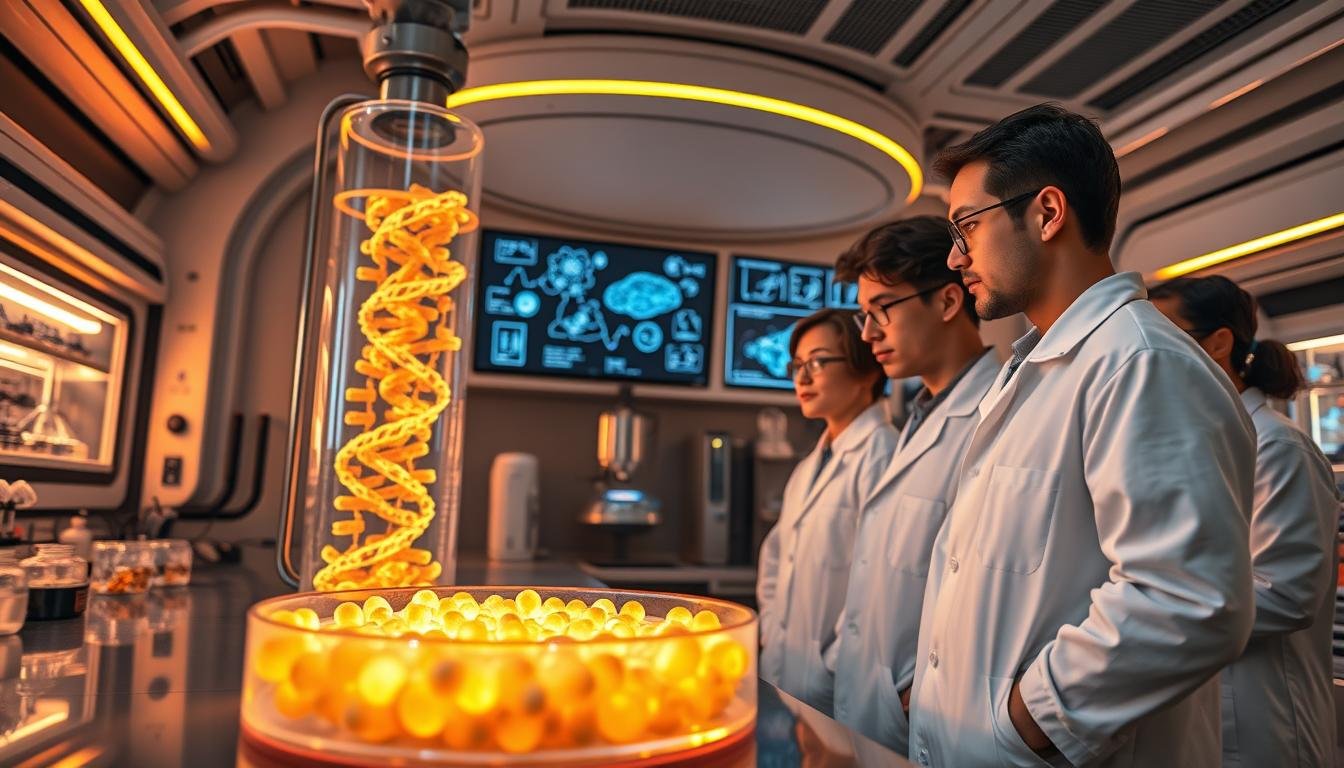
Imagine a world where technology and Bioengineering Solutions converge to transform industries and improve lives. Innovative Bioengineering Solutions is making this a reality, revolutionizing healthcare, and addressing environmental challenges.

By applying engineering principles to medical and biological systems, Bioengineering Solutions are being developed to tackle complex problems. These advancements are not only enhancing patient care Page but also driving sustainability and efficiency in various sectors.
Page Key Takeaways
- Innovative Bioengineering Solutions is transforming industries and improving lives.
- Bioengineering solutions are being applied to healthcare, environmental, and industrial challenges.
- These advancements are driving sustainability and efficiency.
- Bioengineering is revolutionizing patient care and treatment options.
- The future of Bioengineering Solutions holds much promise for addressing complex problems.
The Evolution and Impact of Bioengineering Solutions
From its early beginnings to the present day, Bioengineering Solutions has emerged as a pivotal discipline, combining principles from biology and engineering to drive progress. This field has not only expanded our understanding of biological systems but has also led to the development of innovative solutions to complex health and environmental challenges.
From Historical Breakthroughs to Modern Applications
The history of Bioengineering Solutions is marked PageSpeed significant milestones, from the discovery of DNA structure to the development of genetic engineering techniques. These breakthroughs have paved the way for modern applications in regenerative medicine and tissue engineering, where bioengineers are working to create artificial tissues and organs for transplantation.
The Convergence of Biology and Engineering Sciences
Bioengineering Solutions represents the convergence of biology, engineering, and other scientific disciplines. This interdisciplinary approach enables researchers to tackle complex problems from multiple angles, leading to more effective and sustainable solutions. The integration of biotechnology and engineering principles has been particularly fruitful, driving advancements in medical devices, diagnostic tools, and therapeutic strategies.
How Bioengineering Solutions is Transforming Industries
Bioengineering is having a profound impact on various PageSpeed industries, including healthcare, agriculture, and manufacturing. In healthcare, bioengineered products such as prosthetics, implants, and tissue-engineered constructs are improving patient outcomes and quality of life. The application of Bioengineering Solutions principles in agriculture is leading to more resilient crops and sustainable farming practices, while in manufacturing, bioengineered microorganisms are being used to produce biofuels and other valuable chemicals.
Core Principles Driving Bioengineering Solutions
The field of Bioengineering Solutions is driven by core principles that integrate biological systems engineering, biomimicry, and interdisciplinary collaboration. These principles are crucial for developing innovative solutions that transform various industries.
Biological Systems Engineering Fundamentals
Biological systems engineering involves understanding complex biological processes and applying engineering principles to develop new technologies. This includes designing and constructing new biological systems or modifying existing ones to achieve specific functions.
Biomimicry: Learning from Nature’s Designs
Biomimicry plays a significant role in bioengineering by inspiring the development of innovative solutions based on nature’s designs. By studying how biological systems solve complex problems, researchers can develop more efficient and sustainable technologies.
Interdisciplinary Collaboration in Bioengineering
Interdisciplinary collaboration is essential in bioengineering, bringing together experts from biology, engineering, data science, and materials science to develop comprehensive solutions. Data science and AI are increasingly important in analyzing complex biological data and modeling biological systems.
The Role of Data Science and AI
Data science and AI are revolutionizing bioengineering by enabling the analysis of vast amounts of biological data. This helps in understanding complex biological processes and identifying potential therapeutic targets.
Materials Science Integration
Materials science integration is critical in developing new biomaterials for medical applications. Advances in materials science have led to the creation of biocompatible materials that can be used in implants, prosthetics, and tissue engineering scaffolds.
| Principle | Description | Application |
|---|---|---|
| Biological Systems Engineering | Understanding and applying engineering principles to biological systems | Synthetic biology, genetic engineering |
| Biomimicry | Inspiring solutions based on nature’s designs | Biomedical devices, sustainable technologies |
| Interdisciplinary Collaboration | Bringing together experts from various fields | Complex problem-solving, innovative technologies |
Groundbreaking Bioengineering Solutions in Healthcare
Groundbreaking bioengineering solutions are redefining the landscape of healthcare, providing new hope for patients worldwide. The integration of engineering principles into medical science has led to significant advancements in treatment options and patient care.
Tissue Engineering and Regenerative Medicine
Tissue engineering and regenerative medicine are at the forefront of bioengineering innovations in healthcare. These fields focus on creating functional biological substitutes to restore or replace damaged tissues.
Lab-Grown Organs and Tissues
Lab-grown organs and tissues are revolutionizing the concept of organ transplantation. By using a patient’s cells, scientists can create personalized organs, reducing the risk of rejection. Advanced 3D biop Page technologies play a crucial role in this process, enabling the precise construction of complex tissue structures.
Advanced 3D Bioprinting Technologies
The development of advanced 3D bioprinting technologies has been instrumental in creating complex tissue models for research and transplantation. These technologies allow for the precise deposition of cells and biomaterials, mimicking the natural extracellular matrix.
“The future of organ transplantation lies in Page ability to print functional, vascularized organs using a patient’s own cells.”
Precision Medicine and Gene Therapy Page
Precision medicine and gene therapy represent another frontier in bioengineering solutions for healthcare. By tailoring medical treatment to the individual characteristics of each patient, precision medicine enhances the effectiveness of therapies. Gene therapy, in particular, holds promise for treating genetic disorders by correcting or replacing defective genes.
Next-Generation Biomedical Devices
Next-generation biomedical devices, including smart implants and wearable diagnostic technologies, are enhancing patient care. These devices provide real-time health monitoring and can deliver targeted therapies.
Smart Implants and Prosthetics
Smart implants and prosthetics are being designed with enhanced functionality and patient comfort in mind. These devices can monitor health parameters and adjust their performance accordingly.
Wearable Diagnostic Technologies
Wearable diagnostic technologies are becoming increasingly sophisticated, allowing for continuous health monitoring outside of traditional healthcare settings.
As bioengineering continues to evolve, we can expect even more innovative solutions Page emerge, transforming the healthcare landscape.
Environmental Bioengineering Solutions for Sustainability
In the pursuit of a more sustainable future, environmental bioengineering stands out as a key discipline, leveraging biological systems to mitigate ecological damage. This field encompasses a broad range of innovative approaches aimed at reducing environmental pollution and promoting sustainability.
Bioremediation Technologies for Pollution Control
Bioremediation technologies utilize living organisms or their byproducts to degrade or transform contaminants into their less toxic or less mobile forms. This approach has been successfully applied to clean up contaminated soil and groundwater.
Key bioremediation techniques include:
- Biostimulation: Enhancing the growth of indigenous microorganisms to increase the rate of contaminant degradation.
- Bioaugmentation: Introducing specialized microorganisms to a contaminated site to enhance biodegradation.
- Phytoremediation: Using plants to remove or stabilize contaminants in the soil.
Engineered Microorganisms for Environmental Cleanup
Engineered microorganisms are designed to have specific capabilities for environmental cleanup, such as the degradation of specific pollutants. These organisms can be tailored to address a wide range of contaminants, from industrial chemicals to agricultural pollutants.
Sustainable Materials from Biological Sources
The development of sustainable materials from biological sources is a rapidly growing Page of bioengineering. These materials offer alternatives to traditional petroleum-based products, reducing environmental impact.
Biodegradable Plastics and Polymers
Biodegradable plastics and polymers are made from renewable biomass sources, such as corn starch, sugarcane, or potato starch. They offer a more sustainable option compared to conventional plastics, as they can biodegrade under certain conditions.
Microbial-Based Construction Materials Page>
Microbial-based construction materials, such as microbially induced calcite precipitation (MICP), are being explored for their potential to create more sustainable and durable construction materials. MICP involves the use of microbes to produce calcite, a form of calcium carbonate, which can bind soil particles together, enhancing the strength of construction materials.
| Sustainable Material | Biological Source | Environmental Benefit |
|---|---|---|
| Biodegradable Plastics | Corn Starch, Sugarcane | Reduces plastic waste |
| Microbial-Based Concrete | Microorganisms (MICP) | Enhances durability, reduces cement usage |
Agricultural Transformation Through Bioengineering
Agriculture is witnessing a significant shift with the integration of bioengineering techniques. This fusion of biology and engineering is not only enhancing crop yields but also making farming practices more sustainable and environmentally friendly.
Crop Resilience and Nutritional Enhancement
Bioengineering is playing a crucial role in developing crops that are more resilient to Page’s environmental stresses and have enhanced nutritional value. Through genetic engineering, scientists are creating crops that can withstand drought, resist pests, and have improved nutritional profiles.
Precision Agriculture and Smart Farming
The advent of precision agriculture and smart farming techniques is revolutionizing the way we farm. By leveraging technologies such as IoT sensors, drones, and data analytics, farmers can now make informed decisions about planting, irrigation, and harvesting, leading to more efficient use of resources.
Biological Alternatives to Chemical Inputs
The use of chemical fertilizers and pesticides has been a cornerstone of modern agriculture, but it comes with significant environmental costs. Bioengineering is providing alternatives in the form of biofertil Page’s izers and biopesticides.
Engineered Biofertilizers
Biofertilizers contain living microorganisms that promote plant growth by increasing the supply or availability of primary nutrients. Engineered biofertilizers are designed to be more effective and targeted, reducing the need for chemical fertilizers.
Targeted Biopesticides
Biopesticides are derived from natural materials or living organisms. Targeted biopesticides are engineered to be highly specific to certain pests, reducing the impact on non-target species and the environment.
Here’s a comparison of traditional farming methods versus bioengineering-enhanced farming practices:
Page’s Page’s
| Aspect | Traditional Farming | Bioengineering-Enhanced Farming |
|---|---|---|
| Crop Resilience | Limited by genetic makeup | Enhanced through genetic engineering |
| Nutritional Content | Natural variation | Enhanced nutritional profiles |
| Environmental Impact | Higher chemical usage | Reduced chemical usage |
As bioengineering continues to advance, we can expect even more innovative solutions to emerge, further transforming the agricultural landscape and contributing to a more sustainable future.
Industrial Applications of Bioengineering Solutions
Bioengineering is revolutionizing industries with innovative solutions that are Page Content Analysis and Planning transforming the industrial landscape. The integration of Page Content Analysis and Planning bioengineering principles into industrial processes has led to significant advancements in various sectors.

Biomanufacturing and Cellular Factories
Biomanufacturing involves the use of living cells or microorganisms to produce valuable products. This field has seen tremendous growth, with applications ranging from pharmaceuticals to biofuels. Cellular factories are engineered to produce specific compounds efficiently, reducing production costs and environmental impact.
- Production of therapeutic proteins and antibodies
- Synthesis of bio-based chemicals and materials
- Development of novel biofuels
Enzyme Engineering for Industrial Processes
Enzyme engineering has become a crucial aspect of industrial bioengineering. By optimizing enzymes for specific reactions, industries can enhance efficiency and reduce waste. This technology is applied in various sectors, Page Content Analysis and Planning including food processing, textiles, and detergents.
Key benefits include:
- Increased reaction rates and specificity
- Improved product quality and yield
- Reduced energy consumption and environmental footprint
Biofuels and Renewable Energy Production
The production of biofuels is a significant application of bioengineering, offering a sustainable alternative to fossil fuels. Advanced bioengineering techniques are being used to develop more efficient and cost-effective methods for producing biofuels.
Algae-Based Biofuels
Algae-based biofuels have emerged as a promising solution for renewable energy. Algae can be engineered to produce high lipid content, which can be converted into biodiesel. This approach offers several advantages, including high yield potential and the ability to grow on non-arable land.
Microbial Fuel Cells
Microbial fuel cells represent another innovative application of bioengineering in renewable energy. These devices use microorganisms to break down organic matter and generate electricity, providing a potential source of clean energy.
The future of renewable energy is being shaped by such groundbreaking technologies.
Ethical Considerations and Regulatory Frameworks
Bioengineering, while promising numerous benefits, also raises complex ethical questions. As the field continues to evolve, it is crucial to address these ethical considerations and establish robust regulatory frameworks.
Navigating Bioethical Challenges in Engineering Pageh3>
The integration of biology and engineering has given rise to numerous bioethical challenges. For instance, the use of genetic editing tools like CRISPR/Cas9 raises questions about the ethics of altering human genes. Balancing the potential benefits of such technologies with ethical concerns is paramount.
“The ethical challenge is not just about the technology itself, but how it is used and who gets to decide.”
Dr. Jane Smith, Bioethicist
Risk Assessment and Biosafety Protocols
Effective risk assessment and biosafety Page protocols are critical in bioengineering. This involves identifying potential risks associated with bioengineered products and processes, and implementing measures to mitigate these risks Page.
| Risk Category | Biosafety Measure |
|---|---|
| Genetic Modification | Containment facilities |
| Biological Agents | Personal Protective Equipment (PPE) |
International Regulations and Standardization Efforts
International collaboration is essential for establishing consistent regulatory frameworks and standardization efforts in bioengineering. This helps ensure that bioengineered products are safe and effective across different countries.
Balancing Innovation with SafetyPage
Regulatory frameworks must balance the need for innovation with the necessity of safety. This involves creating an environment that fosters research and development while protecting public health and the environment.
Ensuring Equitable Access to Bioengineering Benefits
It is also important to ensure that the benefits of bioengineering are Page accessible to all. This includes addressing issues related to affordability, availability, and cultural sensitivity of bioengineered products.
The Future Landscape of Bioengineering Innovation
As we look to the future, bioengineering is poised to revolutionize various aspects of our lives. The field is rapidly advancing, driven by innovative technologies and interdisciplinary approaches.
Emerging Technologies on the Horizon
The bioengineering landscape is being reshaped by cutting-edge technologies, including synthetic biology and genome editing. These advancements are opening new avenues for medical treatments, environmental sustainability, and industrial applications.
Synthetic Biology and Genome Editing Frontiers
Synthetic biology involves the design and construction of new biological systems, such as microorganisms, to perform specific functions. Genome editing technologies, like CRISPR/Cas9, enable precise modifications to an organism’s DNA. Together, these technologies are revolutionizing the field of bioengineering.
“The precision and efficiency of genome editing technologies have the potential to transform the treatment of genetic diseases.”
Cross-Disciplinary Approaches Shaping the Field
The future of bioengineering is being shaped by cross-disciplinary approaches, combining insights from biology, engineering, computer science, and other fields. This convergence is leading to innovative solutions and new areas of research.
Convergence with Nanotechnology
The integration of Bioengineering Solutions with nanotechnology is enabling the development of novel diagnostic and therapeutic tools. Nanoscale devices and systems are being designed to interact with biological systems at the molecular level.

The use of digital tools and computational tools is becoming increasingly important in Bioengineering Solutions. These tools are being used to model complex biological systems, simulate experiments, and analyze large datasets.
As bioengineering continues to evolve, we can expect to see significant advancements in various fields, from medicine to environmental sustainability. The future of bioengineering holds immense promise, and its potential to improve lives is vast.
Conclusion: Harnessing Bioengineering for a Better Tomorrow
Bioengineering Solutions is poised to revolutionize various aspects of our lives, from healthcare and agriculture to industrial processes and environmental sustainability. The innovative bioengineering solutions discussed throughout this article highlight the field’s vast potential to create a sustainable future.
By harnessing the power of bioengineering, we can develop novel therapies, improve crop yields, and reduce our reliance on non-renewable resources. The Bioengineering Solutions future looks bright, with emerging technologies like synthetic biology and genome editing set to drive further breakthroughs.
As we move forward, it’s essential to continue investing in Bioengineering Solutions research and development, ensuring that these innovative solutions are accessible and beneficial to all. By doing so, we can unlock the full potential of bioengineering to create a better tomorrow for generations to come, fostering a sustainable future for our planet.
Table of Contents
FAQ
What is Bioengineering Solutions?
Bioengineering Solutions is the application of engineering principles to medical and biological systems, encompassing a wide range of technologies and methodologies that transform industries and improve lives.
How is bioengineering transforming healthcare?
Bioengineering is revolutionizing healthcare by developing prosthetics, implants, tissue-engineered products, and personalized treatment options, such as precision medicine and gene therapy, that improve patient outcomes.
What are some examples of bioengineering solutions in environmental sustainability?
PageBioengineering solutions for environmental sustainability include bioremediation technologies, engineered microorganisms for environmental cleanup, and sustainable materials derived from biological sources, such as biodegradable plastics and microbial-based construction materials.
How is bioengineering being used in agriculture?
Bioengineering is transforming agriculture by developing crop resilience and nutritional enhancement, precision agriculture, and smart farming techniques, as well as biological alternatives to chemical inputs, such as engineered biofertilizers and targeted biopesticides.
What are some industrial applications of bioengineering?
Industrial applications of bioengineering include biomanufacturing and cellular Page factories, enzyme engineering for industrial processes, and biofuels and renewable energy production, such as algae-based biofuels and microbial fuel cells.
What are the ethical considerations surrounding bioengineering?
Ethical considerations surrounding bioengineering include navigating bioethical challenges, risk assessment, and biosafety protocols, as well as ensuring equitable access to the benefits of bioengineering and balancing innovation with safety.
What is the future of bioengineering innovation?
The future of bioengineering innovation includes emerging technologies, such as synthetic biology and genome editing, cross-disciplinary approaches, and convergence with nanotechnology and digital and computational tools, which will shape the field and lead to future breakthroughs.
Source link
- https://www.wired.com/story/combining-ai-and-crispr-will-be-transformational
- https://www.hcltech.com/trends-and-insights/bioengineering-breakthroughs-rise-organ-chip-and-genome-editing
- https://arxiv.org/abs/2501.07612
- https://plantbiologyconference.com/program/scientific-program/2025/application-of-bioengineering-in-construction