Critical Thinking Creativity is the powerful blend of analytical reasoning and imaginative exploration. It is the ability to assess information objectively, question assumptions, and view situations from multiple angles—while also tapping into creative instincts to generate fresh, innovative solutions. Far from passively accepting information, those who master this skill engage deeply with ideas, seeking truth, clarity, and possibility in equal measure.
In today’s fast-paced world, this combination is highly valued across education, business, science, and the arts. It not only supports problem-solving but also drives originality, making it a cornerstone of personal and professional growth.
Key Takeaways Critical Thinking Creativity
- Critical Thinking Creativity is a fundamental skill that enables objective and rational analysis of information.
- Critical thinkers are able to question assumptions and explore multiple perspectives.
- The ability to think critically is highly valued across various domains, including education, business, and everyday life.
- Nurturing creative talent and artistic development are essential for fostering creativity and creative expression.
- Critical Thinking Creativity is a key driver in unlocking artistic potential and cultivating an innovative mindset.
The Importance of Nurturing Critical Thinking Creativity
Fostering creative talent is about more than artistic flair—it’s about developing the mental flexibility to think beyond the obvious. When Critical Thinking Creativity is applied to creative pursuits, it strengthens the ability to:
- Innovate by finding unconventional solutions.
- Express ideas with clarity and originality.
- Grow artistically through constant reflection and refinement.
By cultivating both logical precision and imaginative openness, individuals can unlock their full creative potential.
What Is Critical Thinking Creativity?
At its core, Critical Thinking Creativity is a deliberate mental process. It requires:
- Persistent evaluation of ideas and beliefs.
- A readiness to challenge the familiar.
- Openness to fresh perspectives.
This approach allows individuals to make decisions that are not only well-informed but also enriched with creativity and vision.
1. Analyzing Information with Objectivity
True Critical Thinking Creativity approach data, arguments, and claims with a healthy dose of curiosity and skepticism. They assess the reliability of sources, check the logic of arguments, and recognize potential biases—both in others and in themselves. This methodical evaluation leads to deeper insights and sounder decisions.
2. Challenging Assumptions
Innovation often begins with asking “Why?” Critical Thinking Creativity involves examining the underlying assumptions behind beliefs, traditions, or common practices. By questioning these foundations, individuals can uncover hidden flaws and open the door to more effective, imaginative solutions.
3. Embracing Multiple Perspectives
Rather than clinging to a single point of view, skilled thinkers actively seek diverse opinions and experiences. This willingness to explore different angles enriches understanding, reduces blind spots, and generates solutions that reflect the complexity of real-world situations.
When Critical Thinking Creativity work hand in hand, the result is a mindset that is both disciplined and imaginative—a combination capable of solving complex problems while also inspiring original ideas.
The Importance of Critical Thinking Creativity
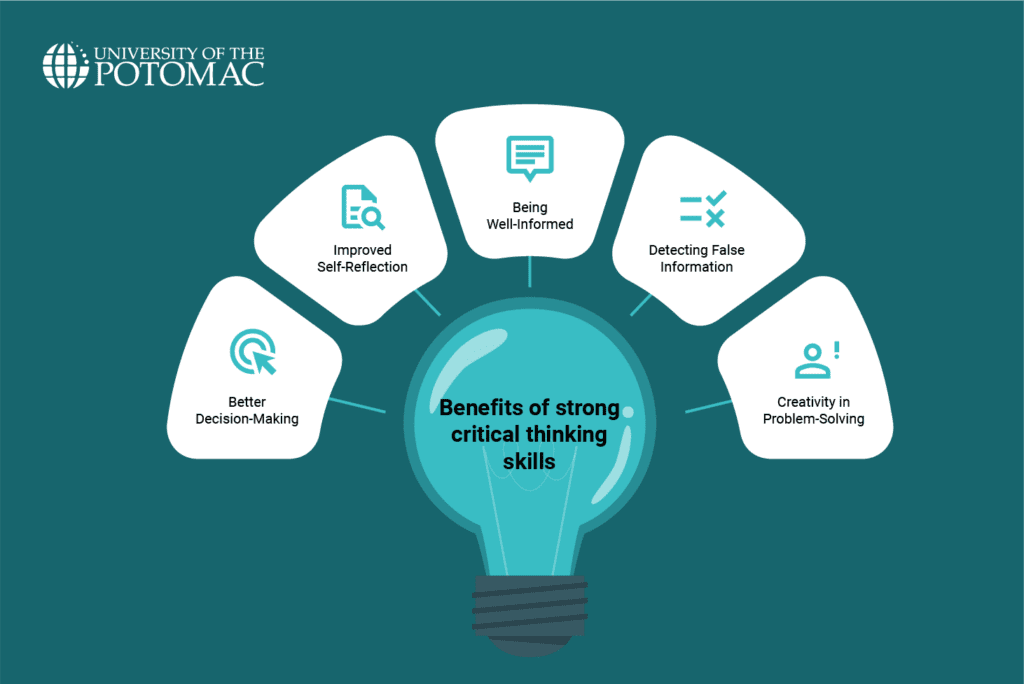
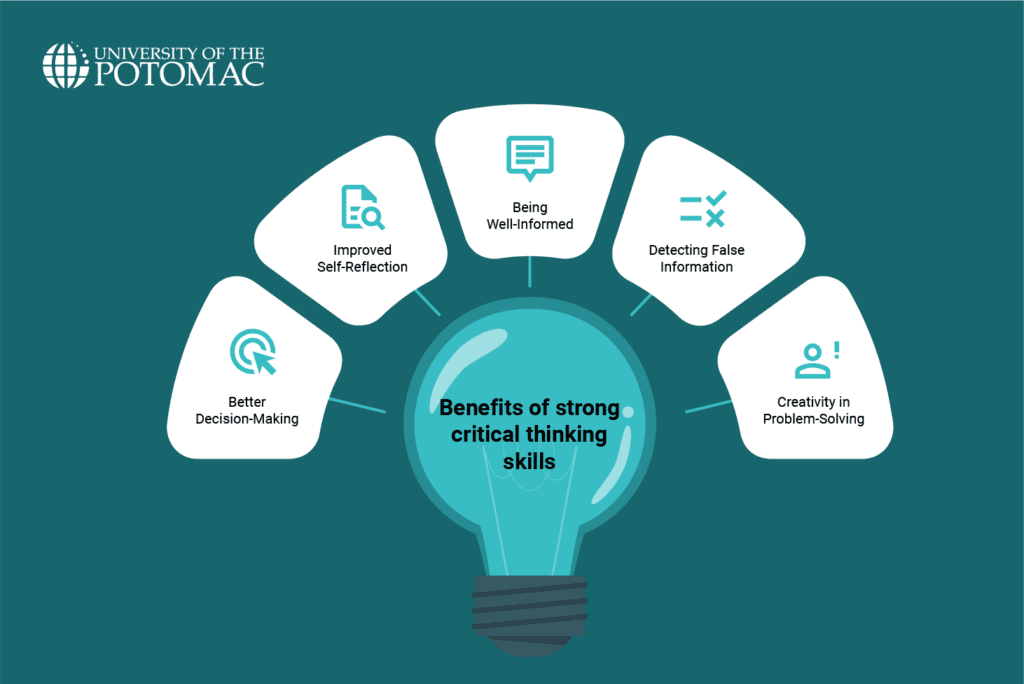
The impact of Critical Thinking Creativity reaches far beyond classrooms or academic discussions—it shapes how we make choices, understand the world, and express ourselves. By combining analytical thinking with imaginative problem-solving, individuals gain the clarity to navigate complex situations, the insight to grow personally, and the perspective to appreciate diverse viewpoints.
Sharper Decision-Making
When faced with challenges, those who practice Critical Thinking Creativity don’t simply react—they investigate, evaluate, and explore possibilities. By weighing evidence, questioning assumptions, and considering multiple perspectives, they arrive at decisions that are thoughtful, balanced, and resilient against bias. Whether it’s a strategic move in business or a personal life choice, this approach leads to smarter solutions and more effective problem-solving.
Deeper Self-Awareness
Critical Thinking Creativity naturally fosters self-reflection. It encourages individuals to examine their own reasoning, challenge their biases, and refine their perspectives over time. This ongoing process of introspection fuels personal growth and opens the door to unlocking creative abilities, turning raw talent into refined artistic and intellectual expression.
A Well-Informed Mindset
Critical Thinking Creativity are relentless in their pursuit of knowledge. They don’t settle for surface-level facts—they seek diverse sources, verify information, and connect ideas to form a complete picture. This informed approach not only strengthens creativity but also equips individuals to engage in richer conversations, inspire innovation, and contribute meaningfully to their communities.
Critical Thinking Creativity Skills
The strongest Critical Thinking Creativity combine analytical precision with imaginative vision, enabling them to nurture creative talent, foster artistic development, and drive innovation. These individuals possess a unique blend of cognitive skills that allow them to approach challenges with depth, adaptability, and insight. Key among these abilities are curiosity, research proficiency, pattern recognition, and bias identification.
Curiosit Critical Thinking Creativity
At the heart of Critical Thinking Creativity is an insatiable curiosity—a drive to dig deeper, challenge assumptions, and seek out hidden truths. Critical Thinking Creativity don’t settle for surface-level answers; instead, they explore multiple angles, experiment with fresh approaches, and push boundaries. This inquisitive nature not only fuels their innovative mindset but also inspires those around them to unlock their own creative potential.
Research Excellence
Strong Critical Thinking Creativity excel at gathering, analyzing, and synthesizing information from diverse sources. They evaluate evidence with a discerning eye, weighing credibility and relevance before drawing conclusions. This research discipline ensures that their insights are well-founded and capable of sparking meaningful progress, while also serving as a foundation for informed creativity and artistic expression.
Pattern Recognition
The ability to spot patterns within complex information is another defining trait. By identifying connections, trends, and underlying structures, Critical Thinking Creativity can generate fresh ideas and innovative solutions. This skill not only supports creative problem-solving but also helps cultivate artistic talents and encourage imaginative growth within teams and organizations.
Bias Awareness
Exceptional Critical Thinking Creativity recognize and address bias—both in their own reasoning and in external sources. By actively working to reduce these distortions, they arrive at more balanced, inclusive, and objective conclusions. This awareness strengthens decision-making and fosters creative output that is informed by diverse perspectives rather than limited by narrow viewpoints.
Critical Thinking Creativity in the Workplace
In today’s dynamic work environment, Critical Thinking Creativity is an invaluable skill that enhances productivity, strengthens collaboration, and fuels innovation. Employees who excel in this area bring more to the table than just technical expertise—they approach challenges with curiosity, analyze problems from multiple angles, and generate inventive solutions that drive progress.
Driving Innovation and Problem-Solving
When Critical Thinking Creativity is paired with creative vision, problem-solving sessions become more than just troubleshooting—they transform into opportunities for breakthrough ideas. Employees with these skills question assumptions, identify hidden opportunities, and propose solutions backed by thorough analysis. This combination allows organizations to address complex challenges with both logic and imagination, creating a competitive edge in the marketplace.
Cultivating a Creative Culture
Organizations that intentionally nurture Critical Thinking Creativity foster a workplace where innovation thrives. By encouraging employees to share ideas, challenge conventional approaches, and engage in constructive feedback, leaders unlock the untapped potential of their teams. This not only drives imaginative growth but also inspires a shared sense of ownership and commitment to success.
Boosting Engagement and Satisfaction
When employees feel empowered to think critically and creatively, they’re more engaged, more invested in their work, and more likely to take pride in their contributions. This heightened engagement leads to stronger team cohesion, higher productivity, and increased job satisfaction—benefiting both individuals and the organization as a whole.
Critical Thinking Creativity in Action
In today’s fast-changing business environment, the ability to think critically while unleashing creativity is no longer optional—it’s a competitive necessity. Organizations that actively cultivate this skill within their workforce foster a culture of innovation, adaptability, and continuous improvement, positioning themselves for sustained success in an increasingly dynamic marketplace.
Real-World Applications
Critical Thinking Creativity manifests in diverse fields, allowing individuals to combine analytical rigor with imaginative insight. Whether in business, science, or the digital sphere, its impact is both practical and transformative.
Analyzing Market Trends
In the business world, critical thinkers excel at reading market signals, spotting emerging opportunities, and anticipating risks. By pairing analytical skills with creative talent, they inspire fresh strategies, motivate teams, and encourage innovative approaches that break away from conventional thinking.
Problem-Solving in Project Management
Within project management, critical thinkers bring structure and vision together. They foster collaboration, encourage creative problem-solving, and empower teams to develop unique solutions. This blend of analysis and artistry ensures projects are not only completed efficiently but also deliver exceptional and innovative results.
Scientific Research
In research, Critical Thinking Creativity drives groundbreaking discoveries. Scientists who combine methodical investigation with imaginative thinking are better equipped to ask novel questions, design inventive experiments, and push the boundaries of knowledge in their fields.
Navigating the Digital Landscape
The rapidly evolving digital environment demands quick adaptation and inventive thinking. Critical thinkers in this space leverage their skills to develop innovative digital strategies, design engaging experiences, and create solutions that stand out in a crowded marketplace.
Nurturing Creative Talent
Unlocking creativity requires more than talent—it demands an environment that encourages experimentation, values diverse perspectives, and supports continuous growth.
Fostering Creativity
An innovative culture thrives when individuals are encouraged to take risks, test unconventional ideas, and challenge traditional approaches. This openness fuels originality and paves the way for transformative outcomes.
Encouraging Creative Expression
Providing platforms for individuals to share their ideas and showcase their unique perspectives strengthens creative confidence. Whether through collaborative projects, presentations, or public showcases, these opportunities inspire deeper engagement and artistic growth.
Cultivating Imaginative Minds
The ultimate goal of nurturing creative talent is to develop imaginative thinkers—people who can blend curiosity, critical analysis, and originality to produce solutions that have lasting impact. By inspiring ingenuity and supporting personal growth, organizations and communities can unlock creativity that drives progress across every discipline.
Creative Thinking Skills
Where critical thinking dissects problems and identifies their underlying causes, creative thinking propels solutions forward. Creative thinkers are innovators—individuals who move beyond established methods to imagine fresh possibilities. By blending curiosity, adaptability, and originality, they open new pathways for progress, foster creativity, and unlock artistic potential that can lead to meaningful breakthroughs.
Brainstorming
Brainstorming remains one of the most effective tools for sparking creative thought. By setting aside judgment and allowing ideas to flow freely, participants can produce a wide spectrum of possibilities—many of which might challenge familiar patterns or norms. This process not only encourages imaginative exploration but also nurtures raw creative talent and provides fertile ground for artistic expression to flourish.
Integrating Multiple Perspectives
One of the hallmarks of strong creative thinking is the ability to merge diverse viewpoints into unified, innovative solutions. Drawing from different backgrounds, experiences, and disciplines allows individuals to spot opportunities that a single perspective might overlook. This integration of ideas cultivates imaginative minds, fuels artistic growth, and strengthens the foundation for groundbreaking work.
Challenging Conventional Boundaries
True creative excellence comes from the courage to step beyond traditional frameworks. By daring to question norms and embrace unconventional ideas, creative thinkers expand the realm of possibility. This openness to exploration is essential for developing advanced artistic skills, fostering innovation, and nurturing the unique talents of those determined to push their craft to new heights.
Developing Critical and Creative Thinking Skills
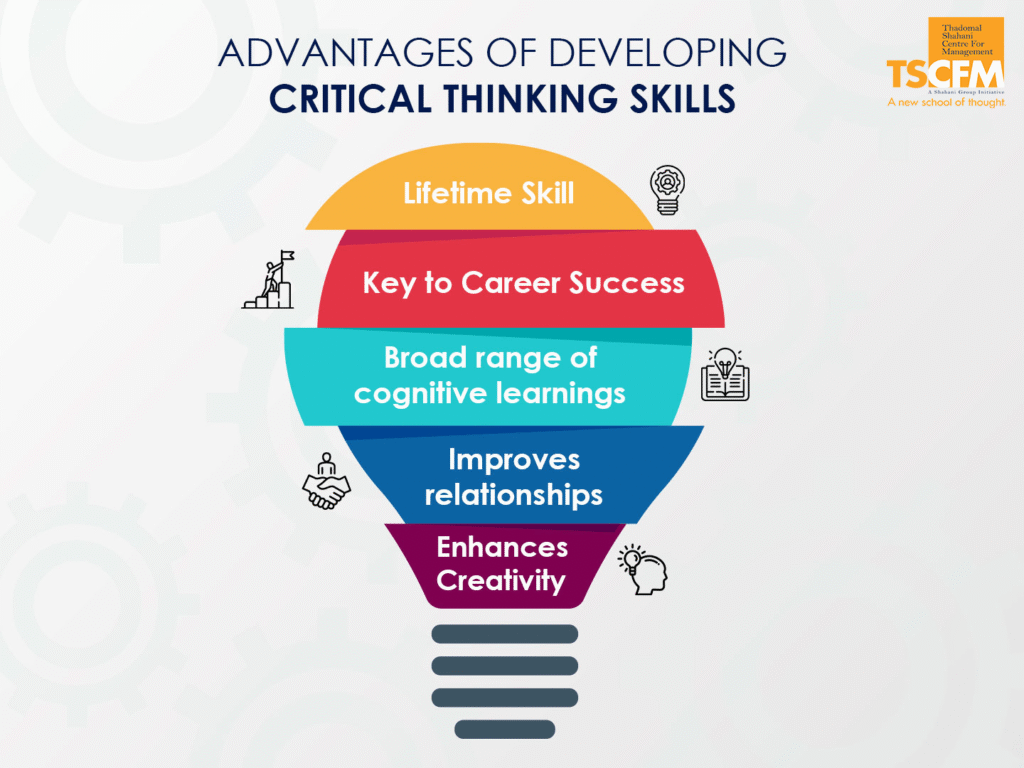
Cultivating both critical and creative thinking is essential for nurturing talent and fostering artistic development. These complementary abilities sharpen problem-solving skills, inspire innovation, and prepare individuals to excel in an increasingly complex world. While some students may initially resist activities that stretch their thinking, these exercises are invaluable in honing the cognitive tools needed for long-term success.
Group Work
Collaborative projects offer a dynamic environment for creativity to thrive. Working in teams allows individuals to blend diverse perspectives, challenge existing assumptions, and devise fresh solutions to complex problems. This process not only builds imaginative capacity but also strengthens collaboration, inspiring ingenuity and unlocking untapped potential.
Project-Based Learning
Hands-on, real-world projects are among the most effective ways to develop creative and analytical abilities. Project-based learning encourages students to explore ideas, experiment with solutions, and apply their skills in meaningful contexts. By engaging directly with authentic challenges, learners cultivate imaginative thinking, refine their artistic expression, and foster innovation in their chosen fields.
Undergraduate Research
Participation in undergraduate research provides a transformative platform for critical and creative thinking to flourish. Through systematic inquiry and exploration, students learn to gather and analyze evidence, question assumptions, and generate new insights. This process not only builds analytical precision but also unlocks creativity, empowering individuals to contribute novel ideas and lead innovation in their disciplines.
The Power of Critical and Creative Thinking
The integration of critical and creative thinking has the capacity to transform individuals, organizations, and entire industries. By combining analytical rigor with inventive vision, people can uncover opportunities, solve problems from fresh angles, and push beyond conventional boundaries.
Enhancing Personal Growth – Beyond the workplace, these abilities foster self-discovery, broaden perspectives, and inspire ingenuity, enriching both professional and personal lives.
Solving Complex Problems – The synergy between critical and creative thinking allows for innovative yet practical solutions to challenges that resist traditional approaches.
Driving Innovation – Organizations that cultivate these skills in their teams can anticipate trends, adapt to shifting markets, and pioneer groundbreaking products or services.
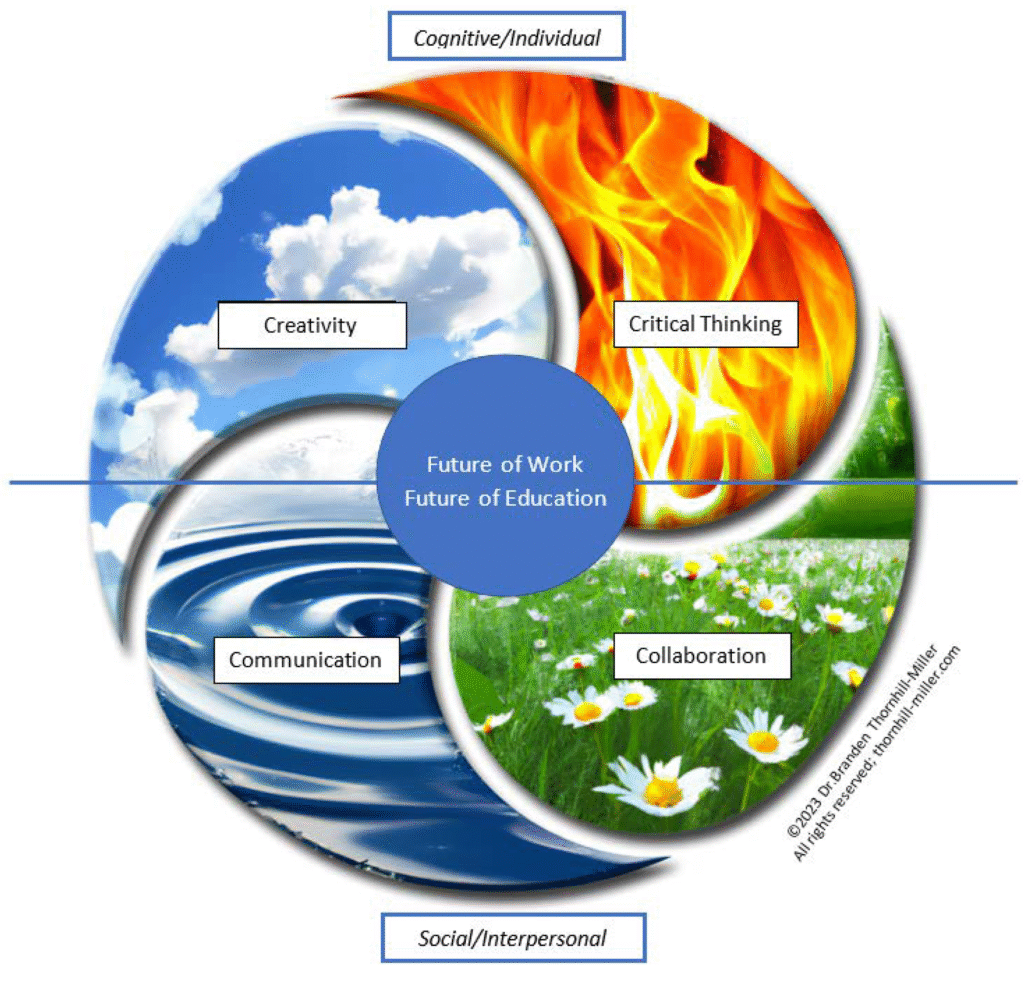
Critical and Creative Thinking in Education
As an educator, I believe that embedding these skills into every level of the curriculum is key to unlocking students’ full potential.
- Integrating Critical Thinking – This involves more than relaying facts; it means teaching students to analyze information objectively, question assumptions, and consider multiple viewpoints.
- Fostering Creative Expression – Encouraging brainstorming, cross-pollination of ideas, and thinking beyond traditional boundaries empowers students to discover and develop their unique artistic voices.
By preparing learners with both the disciplined mindset of a critical thinker and the imaginative spark of a creative problem solver, we equip them to navigate uncertainty with confidence and vision. This holistic approach ensures they are not just ready for the future but capable of shaping it.
Driving Innovation
In a rapidly evolving world, the ability to think critically and creatively is paramount for driving innovation and staying ahead of the curve. By nurturing artistic talents and encouraging creative pursuits, organizations can cultivate a workforce that is adept at developing artistic skills and fostering creative thinking. This, in turn, empowers them to identify emerging trends, anticipate market shifts, and develop groundbreaking products or services that inspire artistic expression and unlock creativity potential.
Enhancing Personal Growth
The power of critical and creative thinking extends beyond the professional realm, with the potential to significantly enhance personal growth and well-being. By cultivating imaginative minds and unleashing creativity, individuals can embark on a journey of self-discovery, unlocking new perspectives and inspiring ingenuity that can lead to profound artistic development and talent cultivation. This holistic approach to personal and professional development is crucial for nurturing creative talent and fostering creative expression.
Incorporating Critical Thinking in Curriculum
Incorporating critical thinking into the curriculum involves more than just imparting knowledge; it requires a fundamental shift in the way we approach teaching and learning. By encouraging students to analyze information objectively, question assumptions, and explore diverse perspectives, we can cultivate the imaginative growth and inspiring ingenuity that are hallmarks of true academic excellence.
Fostering Creative Expression
Alongside the development of critical thinking skills, I believe it is essential to nurture the creative expression of our students. By providing opportunities for brainstorming, combining perspectives, and thinking outside the box, we can unlock the artistic development and creative potential that lies within each individual. This dynamic approach to learning not only inspires innovative mindsets but also unleashes the talent and artistry that will drive progress in a range of fields.
Conclusion
In a world defined by rapid change and constant innovation, the integration of critical and creative thinking is no longer optional—it is essential. These skills empower individuals to approach challenges with clarity, imagination, and resilience, transforming obstacles into opportunities for growth. Whether in education, business, science, or the arts, those who master the balance between analytical precision and inventive vision are best positioned to lead, inspire, and innovate. By committing to nurture these abilities in ourselves and others, we not only unlock personal potential but also contribute to building a future driven by curiosity, creativity, and purposeful progress.
FAQ: : Critical & Creative Thinking
1. What is critical thinking?
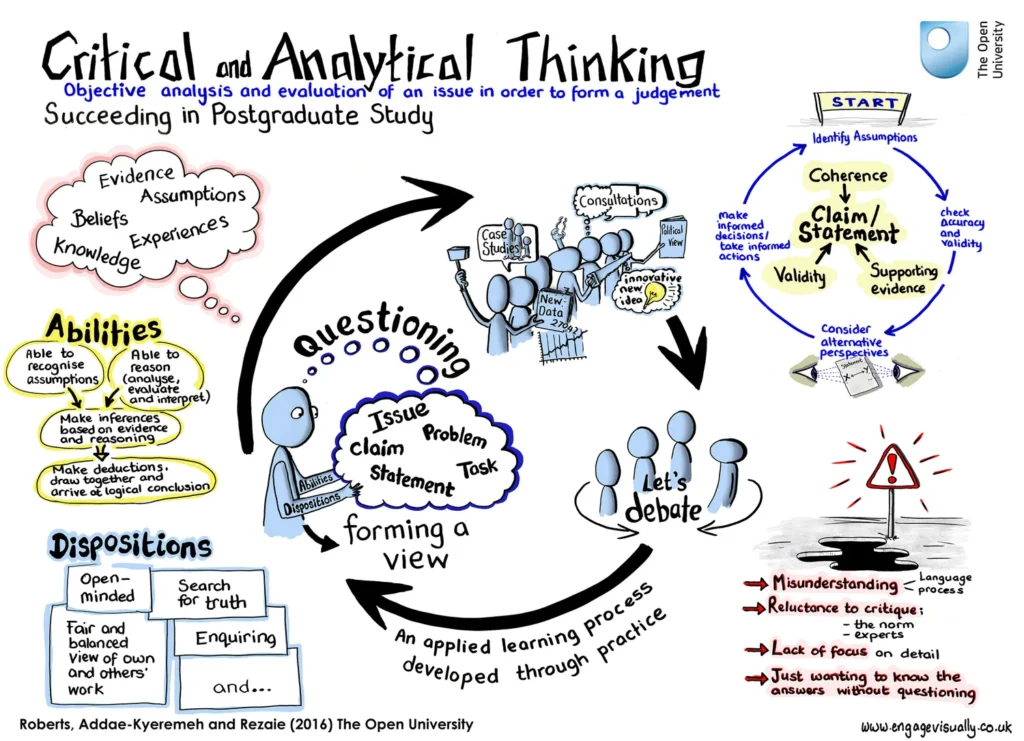
Critical thinking is the ability to analyze information objectively, question assumptions, and evaluate evidence before forming conclusions. It requires active engagement with ideas, a willingness to explore multiple perspectives, and the discipline to seek well-reasoned solutions rather than accepting information at face value.
2. Why is critical thinking important?
Critical thinking is essential for making sound decisions, solving complex problems, and understanding the world more deeply. It sharpens judgment, boosts self-awareness, and enables individuals to respond to challenges with clarity and confidence—skills that are valuable in both personal and professional life.
3. How can I develop critical thinking skills?
Critical thinking can be cultivated through consistent practice and exposure to diverse learning experiences. Activities such as debates, problem-based projects, reflective writing, and analytical discussions all strengthen the ability to question, reason, and think independently.
4. How is critical thinking applied in the workplace?
In the workplace, critical thinkers enhance productivity and innovation. They contribute by identifying problems accurately, analyzing data effectively, offering well-founded solutions, and engaging in constructive collaboration—ultimately improving both processes and outcomes.
5. Can you give examples of critical thinking in action?
Real-life examples include analyzing market trends before launching a product, designing efficient project management strategies, conducting scientific research, and navigating complex digital environments with strategic foresight.
6. How does critical thinking connect to creative talent?
Critical thinking and creativity work hand in hand. While critical thinking provides the framework for logical reasoning and informed decision-making, creativity introduces fresh perspectives and novel solutions. Together, they enable individuals to unlock their full potential and produce truly innovative work.
7. What are key creative thinking skills?
Core creative thinking skills include brainstorming without judgment, combining different viewpoints to generate unique ideas, and thinking beyond traditional approaches to discover unexpected solutions.
8. How can these skills be developed in education?
Educational programs can nurture critical and creative thinking by encouraging inquiry-based learning, promoting collaboration, integrating hands-on projects, and offering platforms for self-expression. By embedding these practices in the curriculum, schools prepare students for success in a rapidly changing world.