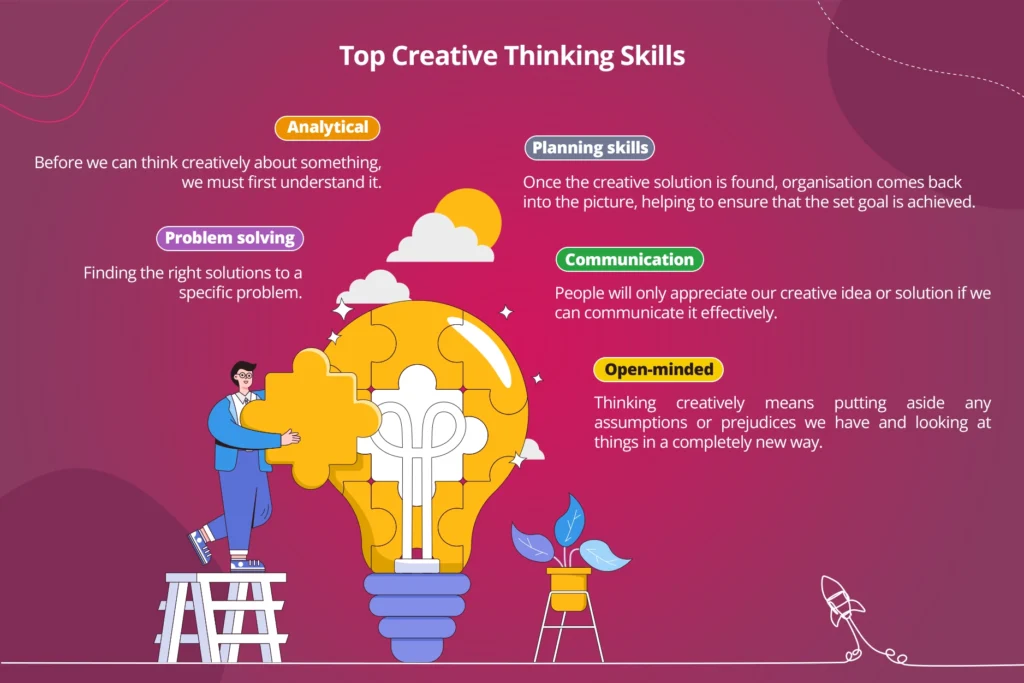
According to the Robinson Report (2000), a child’s creative potential is remarkably high at age eight, at 98 percent, but by adulthood, it diminishes sharply to just 2 percent. The challenge for secondary and higher education instructors is maintaining and nurturing this creative potential throughout the educational journey. Tepper and Kuh (2011) emphasize that creativity is not an innate trait alone—it can be developed through sustained training and deliberate practice of key skills over time.
Harang-Smith (2006) reinforces this point: “If every individual has the capacity to be creative and creativity can be analyzed and taught, then colleges and universities can design curricula, pedagogies, co-curricular programs, and supportive institutional environments to foster creativity.”
Key Takeaways: Creative Teaching
- Creativity can be nurtured through intentional practice and structured training.
- Innovative instructional strategies and dynamic learning environments are essential to stimulate creativity.
- Approaches such as arts integration, project-based learning, and design thinking enhance creative thinking skills.
- Experiential learning and maker-centered education encourage hands-on, student-driven creativity.
- Interdisciplinary curricula and personalized learning pathways can unlock students’ creative potential.
What Defines a Creative Teaching Learning Environment?
A Creative Teaching learning environment, as defined by Drexel University’s School of Education, is one that encourages students to explore through trial and error, exercise their imagination, and apply critical thinking to solve real-world problems. By promoting skills such as goal setting, collaborative knowledge sharing, and relationship building, this type of environment empowers students to generate, test, and implement their own ideas and innovations.
Promoting Learning Through Experimentation
Such environments encourage students to take intellectual risks and learn from mistakes without fear of failure. This approach cultivates a growth mindset, resilience, and problem-solving persistence, preparing learners to tackle complex challenges.
Stimulating Imagination and Critical Thinking
Creative Teaching spaces prompt students to combine imagination with critical thinking, developing innovative solutions and strengthening divergent thinking abilities. These skills are particularly valuable in project-based learning, STEM programs, and interdisciplinary courses.
Fostering Essential Collaborative Skills
Students are also encouraged to set meaningful goals, share insights with peers, and build productive relationships. These collaborative practices not only enhance creativity but also create a supportive, student-centered environment where innovation can flourish.
Leveraging Skills Like Goal Setting, Knowledge Sharing, and Relationship Building
A Creative Teaching learning environment empowers students to set meaningful goals, share knowledge with their peers, and build valuable relationships. These vital student-centered pedagogies foster a collaborative, supportive atmosphere that nurtures creativity, experiential learning, and personalized learning approaches.
Why Fostering a Creative Teaching Learning Environment Matters
In today’s rapidly evolving educational landscape, creating a learning environment that promotes creative teaching is essential for helping students reach their full potential. As highlighted by Drexel University, a classroom that supports creative learning offers both immediate and long-term benefits. Instead of fearing mistakes or criticism, students are encouraged to take risks, experiment, and refine their problem-solving abilities.
Supporting Students to Take Risks Without Fear
A primary advantage of a creative teaching environment is that it establishes a culture where students feel safe to explore unconventional solutions without the worry of being judged or penalized. By emphasizing student-centered approaches and experiential learning, educators can nurture confidence and encourage learners to think innovatively. This environment fosters creativity by promoting design thinking, interdisciplinary projects, and problem-solving that goes beyond standard textbook methods.
Promoting Persistence and Iterative Problem-Solving
Beyond providing a safe space for experimentation, creative teaching environments also cultivate persistence. Students are guided to approach challenges through trial and error, allowing them to learn from setbacks and refine their strategies. Incorporating maker education, project-based learning, and STEM-focused activities helps learners develop determination and resilience. These experiences build the Creative Teaching thinking and adaptability skills necessary to succeed in a complex, ever-changing world.
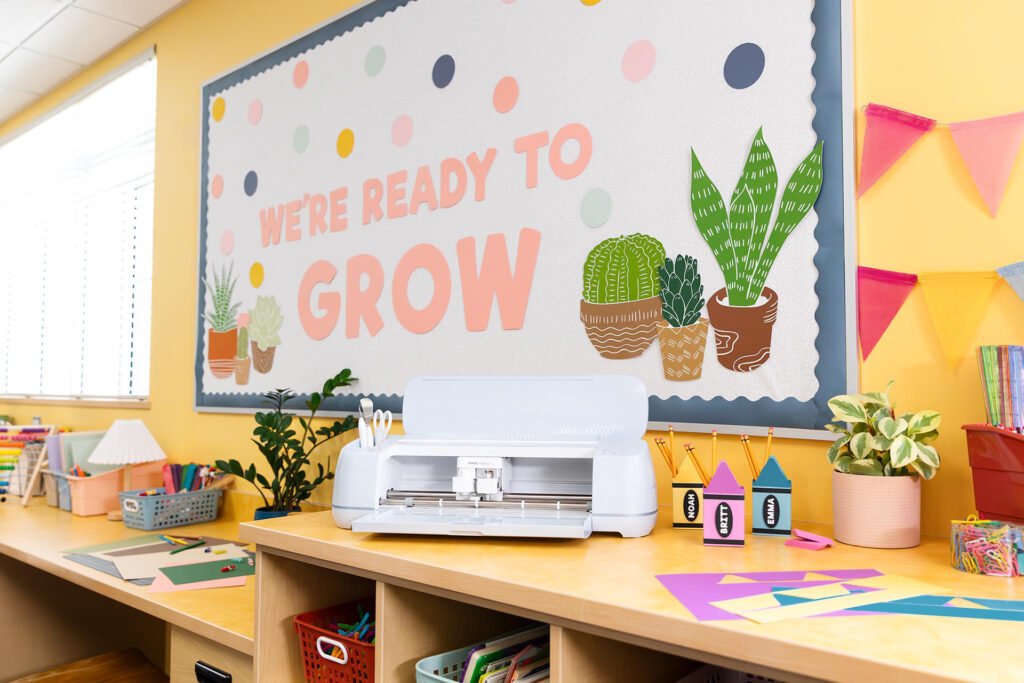
Advantages of Fostering Creativity in Students
Encouraging creativity in the classroom offers a wide array of benefits that extend well beyond traditional academic achievement. By integrating project-based learning, design thinking, and cross-disciplinary approaches, educators can help students build essential skills that prepare them for future challenges.
Strengthening Collaboration and Teamwork
Creative teaching programs that prioritize collaboration and peer-to-peer learning can significantly enhance students’ teamwork abilities. As students work together on open-ended projects and innovative assignments, they learn to share ideas effectively, negotiate differences, and draw on the unique strengths of each team member to achieve shared goals.
Developing Advanced Problem-Solving Skills
Experiential learning and maker-centered activities within a Creative Teaching classroom help students refine their critical thinking and complex problem-solving abilities. By navigating ambiguous challenges and testing various solutions, learners develop resilience, adaptability, and the cognitive flexibility necessary to address real-world problems in inventive ways.
Discovering Personalized Learning Approaches
When students are encouraged to explore creativity through arts integration and student-focused pedagogies, they often uncover new strategies that align with their personal strengths and interests. This approach nurtures a love of learning and equips students with the flexibility and self-directed skills needed to thrive in dynamic, ever-changing environments.
The Role of Creativity in Today’s World
In a rapidly evolving global landscape, the ability to think Creative Teaching and approach problems with innovative solutions has become more essential than ever. Entire industries can emerge or disappear within a single decade, making creativity a vital skill for the divergent thinking required to drive progress and innovation. By incorporating creative teaching practices and innovative learning methods, educators can empower students to generate original ideas and strengthen their critical thinking abilities.
As technology advances and market conditions shift at unprecedented rates, students must develop the problem-solving skills necessary to navigate complex, unpredictable challenges. Integrating design thinking, interdisciplinary curricula, and hands-on learning experiences enables learners to cultivate the adaptability and creativity needed to succeed in today’s workforce.
Furthermore, the capacity to think imaginatively and propose inventive solutions is increasingly becoming a differentiating factor for individuals and organizations alike. By emphasizing student-centered pedagogy, personalized learning strategies, and maker-based or STEM-focused approaches, educators can nurture the creativity development and innovative mindset that will allow students to excel in a highly dynamic and competitive world.
Fostering creativity in the classroom is essential for developing innovative thinkers and problem-solvers. By adopting creative teaching strategies, educators can inspire students to engage deeply with their learning, explore new ideas, and think critically. Here are seven effective approaches to spark creativity and inspire learning:
1. Incorporate Project-Based Learning
Encourage students to tackle real-world problems through collaborative projects. Project-based learning allows learners to apply knowledge in practical contexts, build teamwork skills, and develop critical thinking abilities. Open-ended projects can help students explore multiple solutions, fostering creativity and resilience in problem-solving.
2. Use Arts Integration
Integrate arts into lessons across subjects, whether through visual arts, music, drama, or Creative Teaching writing. Arts integration stimulates imagination, enhances engagement, and helps students make meaningful connections between concepts. This approach supports experiential learning and strengthens students’ Creative Teaching capacities.
3. Apply Design Thinking Principles
Introduce design thinking to teach students how to approach challenges methodically yet creatively. By empathizing with users, defining problems, ideating solutions, prototyping, and testing, students learn iterative problem-solving skills that prepare them for real-world challenges.
4. Create Flexible Learning Spaces
Transform the physical classroom to support movement, collaboration, and experimentation. Flexible seating arrangements, brainstorming corners, and cozy reflection areas encourage students to interact, share ideas, and engage actively in the learning process. A dynamic environment can inspire innovation and student-centered exploration.
5. Promote Experiential and Maker Learning
Hands-on activities, experiments, and maker projects allow students to transform ideas into tangible creations. Whether building models, conducting experiments, or developing prototypes, maker education reinforces learning through action and encourages students to think creatively.
6. Encourage Reflection and Iteration
Teach students to embrace trial and error by encouraging them to reflect on their work, learn from mistakes, and improve their solutions. Reflection fosters growth mindset thinking and resilience, essential qualities for creative problem-solving and lifelong learning.
7. Foster Collaborative Learning
Encourage peer-to-peer collaboration through group discussions, brainstorming sessions, and team challenges. Sharing diverse perspectives helps students expand their thinking, develop communication skills, and co-create innovative solutions. Collaborative learning environments cultivate both creativity and interpersonal skills.
| Skill | Importance in the Modern World |
|---|---|
| Creative Thinking | Enables the development of innovative solutions to complex problems |
| Critical Thinking | Empowers individuals to analyze information, evaluate alternatives, and make informed decisions |
| Adaptability | Allows for the agility needed to navigate rapidly changing market conditions and technological advancements |
| Collaboration | Fosters the teamwork and knowledge-sharing required to tackle multifaceted challenges |
The Educator’s Role in Cultivating Creativity
Teachers play a pivotal role in creating an environment where creativity can flourish. By modeling imaginative thinking and actively encouraging students’ own creative processes, educators can help learners unlock new avenues of innovation, problem-solving, and self-expression.
Modeling Creative Thinking
When teachers approach challenges with curiosity and originality, they set a powerful example for students. Demonstrating a willingness to experiment, take thoughtful risks, and learn from mistakes helps learners see the value of creative exploration. By embracing project-based learning, arts integration, and STEM-focused activities, instructors show students how innovative teaching methods can be applied to experiential and personalized learning opportunities.
Encouraging Students’ Creative Processes
Educators have the opportunity to actively nurture students’ creative thinking through engaging, hands-on exercises and interdisciplinary approaches. Techniques such as brainstorming, mind mapping, and challenging assumptions can stimulate divergent thinking and problem-solving skills. By fostering a student-centered learning environment that emphasizes design thinking and experiential education, teachers can guide learners to explore new ideas, connect concepts across disciplines, and strengthen their creativity development.
Creative Teaching Education Programs in Higher Education
According to Drexel University, colleges and universities play a crucial role in fostering creativity by establishing comprehensive creative education programs. These programs should combine innovative curricula, engaging teaching methods, enriching co-curricular activities, and a supportive institutional environment to promote creativity development and student-centered learning.
While specific programs may vary, the focus should be on designing interdisciplinary curricula that encourage students to think critically, solve complex problems, and explore ideas beyond traditional boundaries. Incorporating project-based learning, experiential education, and design thinking approaches allows students to engage actively with their learning, fostering innovative thinking and practical problem-solving skills.
Additionally, Creative Teaching education programs should provide opportunities for maker education, enabling students to transform concepts into tangible solutions through hands-on experiences. By integrating these methods, institutions help learners connect theory with practice, enhancing both their creativity and their capacity for innovation.
In today’s fast-paced and ever-changing world, prioritizing creative education in higher learning is essential. By nurturing creativity development and interdisciplinary skills, colleges and universities can prepare students to become forward-thinking leaders, inventive problem-solvers, and adaptable professionals ready to navigate the complexities of modern society.

Strategies for Encouraging Creativity in the Classroom
Fostering a Creative Teaching learning environment requires more than simply asking students to “think outside the box.” It involves deliberately designing classroom spaces and learning experiences that inspire innovation, problem-solving, and independent thinking. The Drexel University article highlights several effective strategies that teachers can implement to nurture creativity among their students.
Designing a Flexible Classroom Space
A rigid, static classroom layout can stifle creative thinking. Teachers can encourage innovation by creating flexible learning spaces that adapt to different activities. This might include movable desks for collaborative group work, dedicated brainstorming zones with whiteboards or idea walls, and quiet corners for reflection and individual exploration. Allowing students to shift between various setups fosters collaboration, experimentation, and the application of interdisciplinary learning strategies essential for Creative Teaching education programs.
Curating a Diverse Classroom Library
A well-stocked classroom library that spans multiple subjects, genres, and media can serve as a catalyst for curiosity and imaginative thinking. By exposing students to diverse perspectives and ideas, teachers provide a foundation for innovative learning. Resources such as books, magazines, multimedia content, and interactive materials can inspire students to explore unfamiliar topics, apply design thinking, and approach project-based learning or STEM challenges with creativity and confidence.
Assigning Open-Ended Projects
Open-ended assignments empower students to develop original solutions rather than follow predetermined outcomes. By designing projects that encourage experimentation, personalized learning, and interdisciplinary problem-solving, teachers can cultivate students’ arts integration, maker education, and critical thinking skills. These projects might involve designing prototypes, creating unique artworks, or tackling real-world problems in innovative ways. Through this approach, students gain hands-on experience in applying creative methodologies, preparing them to become independent thinkers and innovative problem-solvers.
Creative Strategies to Inspire Student Engagement
Cultivating a creative classroom environment is key to developing students’ innovative thinking and problem-solving abilities. The third source emphasizes several practical techniques that teachers can use to actively stimulate creativity and engagement.
Challenging Assumptions
Encouraging students to question their assumptions helps them think beyond conventional solutions. By examining alternative viewpoints and reconsidering established ideas, learners can unlock new ways of approaching problems. This technique strengthens critical thinking, nurtures a student-centered approach, and promotes creative exploration across interdisciplinary curricula.
Visual Ideation through Brain-Sketching
Brain-sketching is a collaborative technique where students translate their ideas into quick visual representations. Sharing these sketches allows classmates to build on each other’s concepts, encouraging teamwork and iterative thinking. This method supports design thinking, experiential learning, and hands-on creativity in both project-based and maker education activities.
Facilitated Brainstorming Sessions
Structured brainstorming encourages students to generate as many ideas as possible without the pressure of immediate evaluation. This approach fosters creative thinking, cultivates a growth mindset, and develops skills such as goal setting, collaboration, and adaptive problem-solving—essential components of innovative learning environments.
Concept Mapping for Idea Organization
Concept mapping enables students to visually organize and connect their thoughts, revealing relationships between different concepts or disciplines. By integrating arts, STEM education, and experiential learning, this strategy encourages knowledge sharing, collaborative learning, and the synthesis of complex ideas, reinforcing critical skills for Creative Teaching development.
Conclusion Creative Teaching
The exploration of Creative Teaching education programs, innovative teaching strategies, and the cultivation of student creativity highlights a compelling vision for modern learning. Across educational settings, there is a growing recognition that fostering a student-centered, experiential, and interdisciplinary approach is essential for unlocking the Creative Teaching potential of today’s learners.
Educators who integrate arts, project-based learning, and maker education are not only inspiring students’ imaginations but also equipping them with the problem-solving, collaboration, and critical-thinking skills necessary to succeed in an increasingly STEM-focused and innovation-driven world. By implementing flexible classroom designs, providing access to diverse learning resources, and encouraging open-ended projects, teachers create environments where students can experiment, iterate, and explore their ideas fully.
Looking ahead, personalized learning and interdisciplinary curricula, as championed by institutions like Drexel University, offer tremendous opportunities to nurture Creative Teaching thinkers. By supporting students in pursuing their interests, taking thoughtful risks, and forming meaningful connections, these learning environments cultivate the next generation of innovators, collaborators, and forward-thinking problem-solvers. Through a sustained focus on experiential learning, design thinking, and student-centered pedagogy, we can ensure that every student’s creative potential continues to flourish in the face of a rapidly changing world.
Table of Contents
FAQ
What defines a creative learning space?
According to Drexel University, a creative learning space is designed to encourage students to experiment, think imaginatively, and apply critical thinking to solve problems. It emphasizes skills such as goal setting, collaborative knowledge sharing, and relationship building, enabling students to explore and develop their own ideas and theories.
Why should educators cultivate creative learning spaces?
Drexel University notes that fostering creative learning spaces benefits students both directly and indirectly. These environments allow students to take risks and learn from mistakes without fear of judgment or penalty. Encouraging experimentation also helps students build persistence and resilience as they explore multiple approaches to problem-solving.
How does nurturing creativity benefit student development?
Creative learning supports several key areas of student growth, including enhancing teamwork, strengthening complex problem-solving abilities, and encouraging innovative approaches to learning. By fostering creativity, students gain the skills needed to navigate challenges and discover new solutions.
Why is creative thinking essential in today’s world?
In a rapidly evolving world, Drexel University emphasizes that creativity is increasingly critical. With industries constantly emerging and disappearing, the ability to think divergently and generate innovative solutions has become a major differentiator. Expanding students’ creative capacities equips them to produce original ideas and make informed, strategic decisions.
What role do teachers play in fostering creativity?
Teachers have a central role in cultivating creativity by shaping the learning environment. By modeling creative thinking and actively guiding students through exercises that stimulate innovative thought, educators can help students develop their own creative problem-solving skills and engage fully with the learning process.
Which strategies can educators implement to enhance creativity in the classroom?
Effective strategies include designing flexible classroom layouts, creating resource-rich classroom libraries, and assigning projects with open-ended outcomes. These approaches encourage exploration, hands-on experimentation, and interdisciplinary thinking.
What are some practical techniques to actively engage students’ creativity?
Teachers can use methods such as assumption challenging, brain-sketching, collaborative brainstorming, and concept mapping. These techniques help students visualize ideas, explore multiple perspectives, and develop critical thinking and problem-solving skills in dynamic ways.