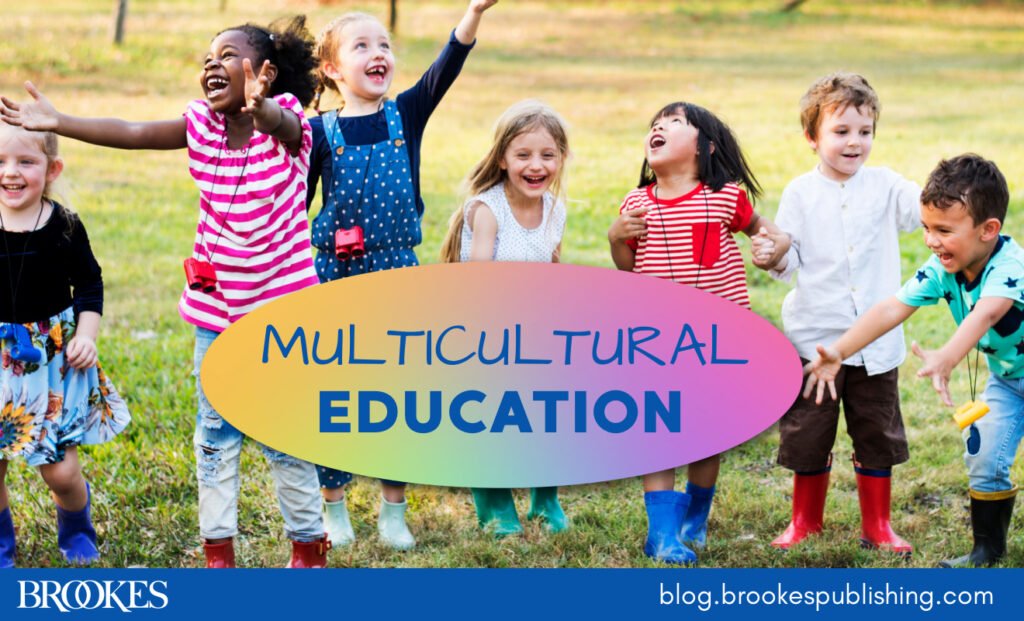
As an early childhood educator, I believe that fostering cultural awareness is a cornerstone of building empathy, respect, and inclusivity among young learners. Early learning environments, such as preschool and kindergarten, are critical periods where children begin to understand themselves in relation to the broader world. Integrating Multicultural Education perspectives and culturally responsive practices into classroom activities allows children to develop a strong foundation for interacting respectfully and thoughtfully with diverse communities.
Effective Strategies for Promoting Cultural Awareness
In my teaching practice, several strategies have proven effective in nurturing cultural understanding. These include incorporating literature from a variety of cultures, celebrating global holidays and traditions, inviting guest speakers from the community, and encouraging students to engage in collaborative activities with peers from different backgrounds. Such approaches support social-emotional development, build interpersonal skills, and cultivate empathy, perspective-taking, and appreciation for cultural diversity.
Equally important is creating a classroom environment that is inclusive and reflective of all students’ backgrounds. Collaborating with families and communities ensures that early learning programs honor the experiences and identities of every child. By combining developmentally appropriate practices with emergent literacy activities and social-emotional learning, educators can support the holistic development of each child while fostering a deep understanding and respect for diversity.
Key Takeaways: Multicultural Education
- Integrating cultural awareness in early childhood education nurtures empathy, respect, and appreciation for diversity.
- Diverse literature, holiday celebrations, and guest speakers expose children to multiple cultural perspectives.
- Collaborating with families and creating culturally responsive learning environments promotes inclusivity.
- A whole-child approach, emphasizing social-emotional learning and developmentally appropriate practices, supports every child’s growth.
- Early multicultural education equips children with the skills to thrive in diverse and interconnected societies.
The Role of Multicultural Education in Early Learning
Introducing multicultural education during the early years is vital for helping children develop respect, empathy, and an understanding of diversity. Exposure to different traditions, practices, and perspectives encourages children to value the experiences of others and lays the groundwork for effective cross-cultural communication and collaboration.
Cultivating Empathy and Respect
When children learn about various cultural customs and traditions, they begin to recognize the value in different ways of living and thinking. This helps them develop empathy for others’ experiences and fosters respect for diverse perspectives. Early childhood programs play a key role in guiding children toward meaningful interactions with peers from different backgrounds.
Valuing Cultural Diversity
By engaging children with stories, music, art, and activities from multiple cultures, educators create opportunities for students to celebrate the uniqueness of each individual. Encouraging children to share their own traditions and learn from others strengthens appreciation for diversity, helping them become open-minded, inclusive, and respectful community members.
Preparing Children for a Global Society
As the world becomes increasingly connected, children must learn to navigate and adapt to Multicultural Education environments. Early exposure to different perspectives, combined with guidance in cross-cultural communication and problem-solving, equips children with the skills to succeed in diverse settings. Multicultural education fosters adaptability, cultural competence, and social awareness, preparing young learners to grow into empathetic and culturally responsive citizens.
Approaches to Enhancing Cultural Awareness
Early childhood programs can cultivate respect, empathy, and appreciation for diversity by implementing intentional multicultural education strategies. By integrating materials and experiences that reflect the variety of cultural backgrounds represented in the classroom, educators help children develop an inclusive perspective and a deeper understanding of the world.
Utilize Culturally Diverse Materials
Providing children with books, media, and educational resources that represent a range of cultures and experiences is essential for promoting cultural awareness. This includes selecting stories, picture books, and nonfiction works authored by individuals from diverse backgrounds, as well as incorporating multimedia such as music, art, and videos that celebrate different traditions and cultural expressions.
Recognize and Celebrate Cultural Traditions
Acknowledging the cultural holidays, festivals, and traditions of students and their families is a meaningful way to foster inclusion and appreciation for diversity. Planning classroom activities, cultural demonstrations, and shared discussions about customs, food, and celebrations allows children to gain a respectful understanding of cultures beyond their own.
Integrate Multicultural Perspectives into the Curriculum
Embedding multicultural education across subjects, including social studies, literature, history, and the arts, provides children with a more comprehensive and inclusive learning experience. Educators can highlight the contributions of diverse communities, explore cultural beliefs and practices, and encourage children to think critically about identity and cultural differences in a respectful and thoughtful manner.
Building a Culturally Responsive Classroom
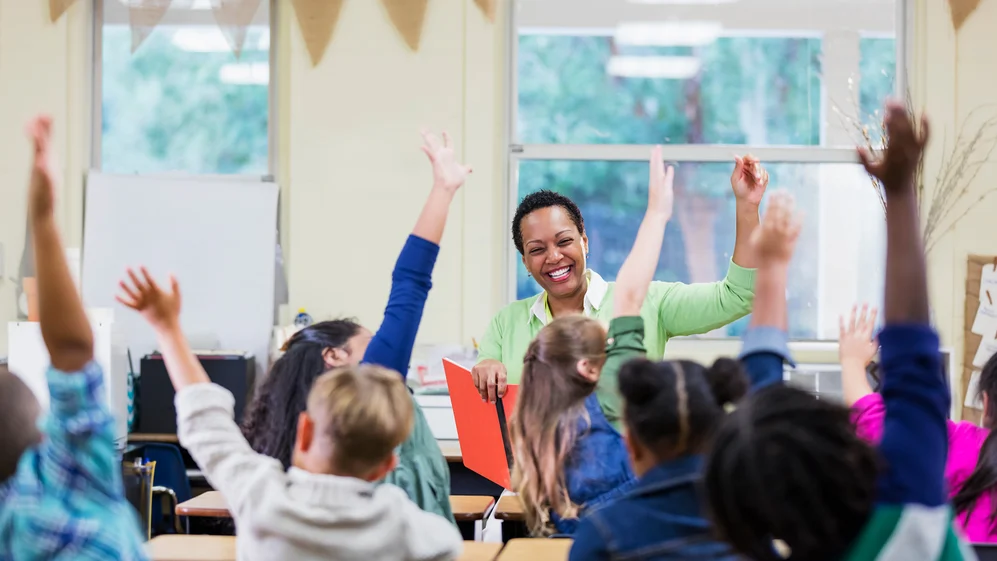
Creating a learning environment that is culturally responsive is essential for fostering inclusivity and awareness in early childhood education. This involves careful consideration of the classroom setup, as well as the language, visuals, and materials used throughout the program.
Showcase Multicultural Art and Cultural Items
Incorporating artwork and artifacts that represent the diverse backgrounds of children and their families helps cultivate a sense of belonging and respect for cultural differences. Programs can invite families to contribute meaningful cultural objects, rotate displays to highlight various traditions, or collaborate with local artists to design culturally inspired murals or classroom installations.
Incorporate Inclusive Language and Visuals
Using language and imagery that reflect the diversity of the classroom community is equally important. Educators should employ gender-neutral pronouns, avoid stereotypical or biased expressions, and ensure that books, posters, and learning materials showcase a wide range of ethnicities, abilities, family structures, and cultural experiences.
Engaging Families and Community Partners
Involving families and local communities is vital for cultivating a genuinely inclusive and culturally responsive early learning environment. By inviting community members to share their knowledge and experiences, children gain first-hand exposure to diverse cultures and perspectives.
Welcome Guest Speakers and Cultural Mentors
Connecting with local cultural organizations, community leaders, and families can help identify individuals eager to share their traditions, stories, and customs. These guest speakers or cultural mentors can facilitate interactive activities, storytelling sessions, or demonstrations that allow children to experience the richness of different cultures in engaging and meaningful ways.
Promote Cross-Cultural Interaction and Friendships
Encouraging children to interact and build friendships across cultural lines fosters empathy, respect, and appreciation for diversity. Structured activities such as collaborative projects, cultural exchange exercises, and shared play opportunities enable children to learn from one another and celebrate both the similarities and differences in their classroom community.
Collaborate with Families and Community Organizations
Working closely with families and local organizations to integrate their cultural practices, traditions, and perspectives into the curriculum strengthens children’s understanding of diversity. This partnership not only honors the unique backgrounds of the children and families but also reinforces connections between the program and the wider community.
By actively engaging families and communities, early childhood programs can create an inclusive, culturally rich learning environment that nurtures respect, curiosity, and appreciation for diversity, preparing children to thrive in a Multicultural Education society.
Challenging Stereotypes and Biases
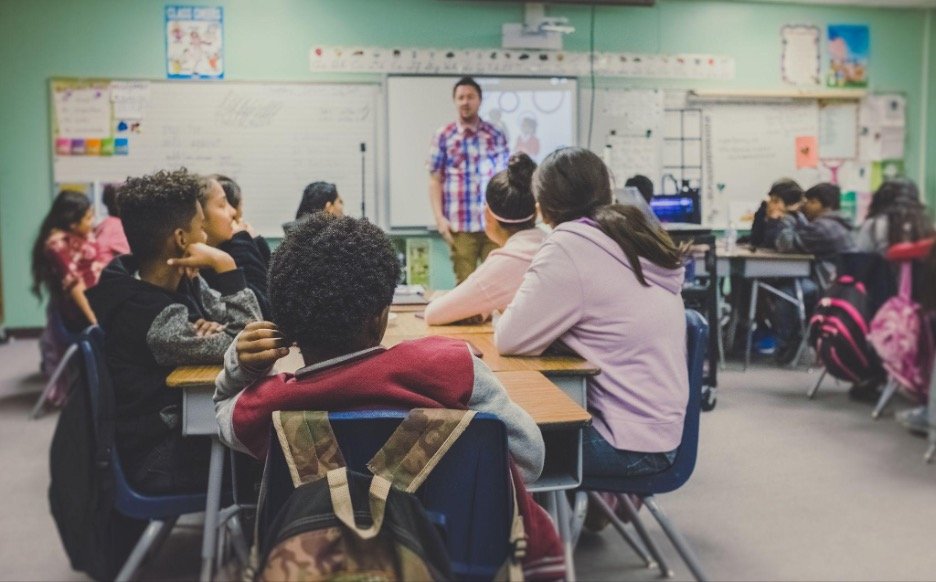
In early childhood education, it is essential to actively confront stereotypes and biases that may emerge within the classroom or the broader community. Promoting cultural awareness and encouraging children to question preconceived notions helps them develop critical thinking skills and a richer understanding of diverse perspectives.
Facilitate Open Conversations About Diversity
Engaging children in age-appropriate discussions about diversity, equity, and inclusion allows them to reflect on their assumptions and explore the complexities of different cultures and identities. These dialogues can be supported by carefully selected books, stories, and multimedia resources that showcase a wide variety of experiences and viewpoints.
Provide a Balanced and Inclusive Curriculum
Early learning programs should work to counteract stereotypes by offering a curriculum that represents multiple cultures fairly and accurately. Highlighting positive role models from diverse backgrounds and addressing biased representations helps children recognize and challenge their own assumptions, fostering a more equitable and culturally responsive learning environment.
Empower Children Through Awareness
By actively addressing biases and encouraging respectful curiosity, educators equip children to appreciate the diversity within their classrooms, communities, and the wider world. These early experiences lay the groundwork for nurturing empathetic, socially conscious, and culturally aware individuals prepared to thrive in an interconnected society.
Early Childhood Learning in a Multicultural Education Context
Incorporating multicultural education in early childhood requires careful attention to the developmental needs and learning styles of young learners. By using age-appropriate teaching strategies, supporting early literacy, and fostering social-emotional growth through play, educators can help children build a strong foundation for understanding and appreciating cultural diversity.
Developmentally Responsive Practices
Applying developmentally responsive practices ensures that learning experiences match the abilities, interests, and growth stages of each child. This approach emphasizes designing activities and learning environments that honor individual differences, allowing children to engage meaningfully and confidently with new concepts, including those related to diverse cultures and perspectives.
Early Literacy and Language Development
Supporting emergent literacy and early language skills is integral to multicultural education. Introducing children to diverse stories, songs, poems, and other language-rich experiences encourages communication, storytelling, and comprehension while simultaneously fostering an appreciation for cultural variety. These experiences help children develop essential reading and writing skills alongside cultural awareness.
Social-Emotional Growth Through Play
Play-based learning is a powerful vehicle for nurturing social-emotional development in young children. Activities that encourage imaginative play, cooperative problem-solving, and self-expression help children cultivate empathy, navigate social interactions, and develop respect for different cultures. By integrating social-emotional learning with multicultural education, educators prepare children to interact positively and thoughtfully in diverse communities.
Equity-Centered Approaches and Culturally Sustaining Practices
Early childhood educators hold a vital responsibility to foster an equity-centered mindset and implement culturally sustaining practices within their classrooms. This begins with recognizing both the historical and ongoing inequities that have marginalized individuals and communities, paired with a strong commitment to actively counter these disparities.
Understanding Historical and Contemporary Inequities
Effective early childhood education requires awareness of the systemic inequities that have shaped societal structures. From persistent racial and socioeconomic disparities to biases embedded in policies and practices, educators must acknowledge how these factors continue to affect children from diverse backgrounds and limit their access to opportunities.
Actively Promoting Equity and Inclusion
Awareness alone is not enough—educators must take intentional actions to address and dismantle inequities. This involves challenging stereotypes, confronting biases, and creating inclusive learning environments where all children feel valued and supported. By integrating equity-focused strategies and culturally sustaining practices, educators empower children to develop critical thinking, social-emotional skills, and cultural competence, preparing them to thrive in a diverse and interconnected world.
Discover, Support, and Flourish: A Practical Framework for Implementation
Integrating multicultural education into early childhood programs can be both impactful and challenging. The “Discover, Support, and Flourish” framework offers a structured approach to guide educators and program leaders through this process. This model emphasizes fostering cultural awareness, embedding equity-focused practices, and driving sustainable organizational change.
Discover: Reflect and Learn About Diversity
The first step, “Discover,” encourages educators to engage in self-reflection and deepen their understanding of diverse cultures and perspectives. By examining personal biases, assumptions, and cultural experiences, educators can better understand how their worldview influences their teaching practices. Simultaneously, learning about the cultural and linguistic backgrounds of the children and families in their care helps build stronger connections and lays the groundwork for inclusive classroom environments.
Support: Foster Equity in Interactions and Environments
The “Support” stage focuses on cultivating equitable interactions and inclusive environments. Educators can foster respect and understanding among children, families, and colleagues by modeling empathy, encouraging collaborative learning, and providing opportunities for cross-cultural engagement. Creating environments that celebrate diversity—through Multicultural Education materials, artwork, and classroom resources—reinforces the value of all cultures represented in the program.
Flourish: Implement Program-Wide Equity Practices
The final stage, “Flourish,” emphasizes program-level strategies to embed equity and inclusivity into the organizational structure. This includes developing inclusive policies, allocating resources for Multicultural Education initiatives, and supporting continuous professional development for educators. By addressing systemic inequities and aligning program practices with principles of cultural responsiveness, early learning programs can create lasting, transformative change.
The “Discover, Support, and Flourish” framework provides a cohesive approach for implementing multicultural education in early childhood programs. By reflecting on personal practices, nurturing equitable environments, and advancing program-wide equity strategies, educators and leaders can cultivate inclusive learning experiences that empower children to thrive in a diverse and interconnected world.
Leveraging Technology to Enhance Multicultural Education in Early Childhood
In the modern early childhood classroom, technology has become an indispensable tool for fostering cultural awareness, understanding, and appreciation among young learners. By integrating digital resources, interactive platforms, and collaborative tools into early learning programs, educators can offer immersive experiences that extend beyond the physical boundaries of the classroom. These experiences not only support children’s cognitive and social-emotional development but also lay the groundwork for a lifelong appreciation of diversity and global citizenship.
Virtual Field Trips and Digital Cultural Experiences
Virtual field trips are one of the most effective ways to bring multicultural education to life. Through interactive online platforms, children can explore museums, historical landmarks, cultural festivals, and significant global sites from the comfort of their classroom. For example, students might “visit” the Louvre in Paris to examine famous artworks, explore traditional marketplaces in Morocco, or participate in a virtual tea ceremony in Japan. These experiences allow children to witness cultural practices firsthand, broadening their understanding of the world and nurturing curiosity about different ways of life.
Digital experiences also provide opportunities for children to engage in interactive activities such as virtual scavenger hunts, multimedia storytelling, and 3D cultural simulations. By participating in these immersive experiences, young learners develop both cognitive skills and cross-cultural empathy, as they gain deeper insights into how communities live, celebrate, and preserve their traditions.
Accessing Diverse Online Resources
The internet is a treasure trove of resources that can support multicultural education. Educators can curate a wide variety of digital content, including interactive storybooks featuring diverse protagonists, educational videos showcasing cultural practices, language-learning apps, and music and dance performances from around the world. Online resources provide multisensory learning opportunities, enabling children to hear, see, and sometimes even interact with cultural content.
For example, incorporating music from different countries during classroom activities can help children recognize and appreciate distinct rhythms, instruments, and musical traditions. Similarly, digital storytelling apps allow students to create and share stories that reflect their own cultural backgrounds, encouraging both self-expression and cross-cultural understanding.
Collaborative Digital Platforms for Cultural Exchange
Beyond consuming content, technology also facilitates collaboration and cultural exchange. Online platforms can connect classrooms across different regions or countries, allowing children to interact with peers from diverse backgrounds. Through collaborative projects, video calls, or shared digital storytelling exercises, children can exchange ideas, discuss traditions, and celebrate similarities and differences in their daily lives.
These collaborative experiences not only enhance Multicultural Education understanding but also promote essential skills such as communication, teamwork, empathy, and digital literacy. For instance, students could collaborate on a shared digital mural, with each classroom contributing images, stories, and traditions from their respective communities. This approach transforms multicultural education into a dynamic, participatory process where children become active contributors rather than passive learners.
Professional Development for Early Childhood Educators
To effectively implement multicultural education, it is crucial that early childhood educators receive professional development and ongoing support. Educators must develop cultural competence, refine reflective practices, and cultivate an adaptive mindset that allows them to respond to the diverse needs of their students.
Cultural Competency Training
Cultural competency training equips educators with the knowledge, skills, and attitudes needed to create inclusive and equitable learning environments. Training programs can cover topics such as understanding cultural norms and values, recognizing implicit biases, and designing learning experiences that are sensitive to the needs of children from diverse backgrounds.
By participating in these programs, educators gain strategies for incorporating multicultural literature, activities, and classroom materials that celebrate diversity while addressing the specific cultural contexts of their students. Cultural competency training also provides a foundation for effectively engaging with families and community members as partners in the learning process.
Reflective Practices and Self-Assessment
Ongoing self-reflection is essential for educators to evaluate their teaching practices and uncover unconscious biases that may influence classroom dynamics. Through reflective journaling, peer discussions, and mentorship programs, educators can critically assess how their instructional choices, communication styles, and classroom interactions impact student experiences.
This process helps teachers refine their approaches to multicultural education, ensuring that learning activities are equitable, culturally responsive, and meaningful for all students. Reflective practices also support educators in modeling empathy and openness, fostering a classroom culture that values diverse perspectives.
Commitment to Continuous Improvement
Professional growth in multicultural education is an ongoing journey. Educators must remain committed to continuous learning, adapting to emerging research, evolving community demographics, and new technological tools that support inclusive education. Continuous improvement involves integrating feedback from students, families, and colleagues to enhance curriculum design, instructional strategies, and classroom environments.
By maintaining a mindset of lifelong learning, educators can ensure that multicultural education initiatives remain relevant, impactful, and transformative, fostering a generation of culturally competent and empathetic learners.
Challenges and Considerations in Multicultural Education
While the benefits of multicultural education are clear, implementing these practices in early childhood programs presents several challenges that educators must thoughtfully address.
Addressing Personal Biases
Educators bring their own cultural backgrounds, assumptions, and biases into the classroom. Unconscious biases can influence expectations, interactions, and assessment of children, potentially limiting equitable opportunities. To overcome this challenge, educators must actively engage in professional development, reflective practices, and mentorship, as well as create accountability systems that encourage equitable teaching practices.
Navigating Diverse Cultural Beliefs and Practices
Children and families may hold diverse beliefs, traditions, and communication styles. Educators must navigate these differences with cultural sensitivity and openness, seeking to understand and respect family practices without imposing a single standard. Building strong partnerships with families and community members is key to bridging cultural gaps and ensuring that children’s cultural identities are honored and celebrated in the learning environment.
Resource and Funding Limitations
Implementing multicultural education programs may require additional resources, from multicultural books and digital tools to guest speakers and field trips. Limited budgets or access to technology can pose significant challenges. Educators can address these constraints by creatively leveraging free online resources, collaborating with local libraries and cultural organizations, and engaging community volunteers to enrich the curriculum.
Ensuring Representation and Inclusion
Creating an inclusive environment means more than incorporating diverse materials—it requires ensuring that every child feels seen, valued, and represented. Educators should audit classroom resources, lesson plans, and activities to identify gaps in representation and ensure that all children’s cultural identities are recognized. Regular feedback from children and families can help educators make informed adjustments that strengthen inclusivity.
Strategies for Success in Technology-Enhanced Multicultural Education
- Integrate interactive digital experiences: Use virtual field trips, simulations, and multimedia to immerse children in global cultures.
- Curate diverse resources: Incorporate books, videos, music, and art that reflect multiple perspectives and backgrounds.
- Facilitate digital collaboration: Connect students with peers from different communities for shared projects and discussions.
- Engage families and communities: Invite guest speakers, encourage storytelling, and collaborate with local cultural organizations.
- Reflect and adapt: Encourage educators to evaluate their biases, assess curriculum inclusivity, and continually refine teaching practices.
- Maximize available resources: Use free or low-cost digital tools, community partnerships, and creative classroom strategies to overcome limitations.
By thoughtfully integrating technology, fostering educator development, and addressing the challenges inherent in multicultural education, early childhood programs can cultivate learning environments where all children feel valued, represented, and empowered to thrive. These strategies prepare young learners to engage with a diverse world, develop empathy, and build the skills needed for lifelong cultural competence.
Conclusion
Integrating multicultural education into early childhood programs is essential for nurturing respect, empathy, and an appreciation for the rich diversity of cultures among young learners. By employing a variety of strategies—such as using literature that reflects diverse experiences, celebrating cultural traditions, and embedding multicultural perspectives across the curriculum—educators can provide children with the foundational skills, knowledge, and mindset needed to engage confidently in a diverse and interconnected world.
Equally important is the creation of culturally responsive learning environments that honor each child’s identity, actively involve families and communities, and thoughtfully address stereotypes and biases. When these elements are combined with ongoing professional development, the effective use of technology, and a steadfast commitment to equity and inclusion, early learning programs can offer meaningful opportunities for children to explore, understand, and celebrate cultural differences.
Reflecting on the role of multicultural education in early childhood underscores its transformative potential. By fostering cultural awareness, empathy, and collaborative skills at a young age, educators can prepare children not only to navigate diversity but to embrace it as a source of strength and enrichment. Ultimately, cultivating an inclusive and culturally responsive learning environment empowers every child to thrive, laying the groundwork for a more equitable, understanding, and harmonious society.
FAQ
Why is multicultural education important in early childhood?
Multicultural education in early childhood plays a crucial role in cultivating respect, empathy, and an appreciation for diversity. By exposing children to a variety of cultures, traditions, and perspectives, educators help them develop a deeper understanding of and regard for people from different backgrounds, laying the groundwork for inclusive and socially aware behaviors.
What strategies can support cultural awareness in early learning programs?
Effective strategies include incorporating books and learning materials that reflect diverse cultures, celebrating various cultural holidays and customs, embedding multicultural content throughout the curriculum, inviting guest speakers and community members, and creating classroom environments that honor and represent all children.
How can early learning programs foster a culturally responsive classroom environment?
Programs can create culturally responsive spaces by showcasing multicultural artwork and artifacts, using inclusive and bias-free language and visuals, and ensuring that all children see their cultures and identities reflected and valued within the classroom.
Why is family and community involvement important for promoting cultural awareness?
Families and communities are vital partners in multicultural education. Engaging them through guest presentations, shared cultural activities, and collaboration to integrate family traditions into the classroom helps children connect with diverse perspectives and develop a strong sense of belonging and appreciation for others.
How can early learning programs address biases and stereotypes?
Educators can confront biases by facilitating open discussions about diversity, providing access to a wide range of culturally rich literature and media, and intentionally challenging stereotypical assumptions. These practices encourage children to think critically about differences and promote a more nuanced and inclusive worldview.
What are developmentally appropriate approaches for integrating multicultural education?
Implementing developmentally appropriate practices means tailoring activities to each child’s age, interests, and abilities. Supporting emergent literacy, encouraging early reading and language skills, and fostering social-emotional growth through play-based experiences can help children engage meaningfully with diverse cultures and ideas.
How can early learning programs adopt an equity-centered and culturally sustaining approach?
An equity-focused and culturally sustaining approach requires recognizing historical and ongoing inequities affecting marginalized communities and committing to actively address them. This includes developing inclusive policies, adopting equitable practices, and creating learning experiences that empower all children to thrive.
What is the “Explore, Nurture, and Grow” model for implementing multicultural education?
The “Explore, Nurture, and Grow” framework guides educators in integrating multicultural education. “Explore” encourages self-reflection and learning about different cultures, “Nurture” emphasizes fostering inclusive interactions and supportive classroom environments, and “Grow” focuses on implementing program-wide strategies to sustain equity and cultural responsiveness.
How can technology support multicultural education in early childhood?
Technology offers dynamic ways to enhance multicultural learning, including virtual field trips to cultural sites, access to diverse multimedia resources, and collaborative digital tools that allow children to share and learn about cultural traditions and experiences across communities.
What challenges should educators consider when implementing multicultural education?
Challenges may include addressing personal biases, understanding and respecting diverse cultural beliefs and practices, managing limited resources, and ensuring equitable representation for all children. Overcoming these challenges requires reflection, ongoing professional development, open communication, and a commitment to continuous improvement to build a truly inclusive learning environment.
Table of Contents
Source Links
- https://eclkc.ohs.acf.hhs.gov/culture-language/multicultural-principles-early-childhood-leaders/multicultural-principles-early-childhood-leaders
- https://www.whizkidz.com.au/how-to-promote-cultural-awareness-in-early-childhood-education/
- https://repository.stcloudstate.edu/cgi/viewcontent.cgi?article=1067&context=ed_etds